
ARTICLES

Free 2026 Digital Journal (PDF Template for iPad and Tablet)
If I’m scrolling on my YouTube homepage and see a video of someone sharing their journal or diary, bet you I’m adding that straight to my watch later playlist for inspiration. Unfortunately, upon watching the video the inspiration lasts about 5 minutes and wears off into an endless TikTok scroll. There’s a kind of effortless aspirational energy in watching someone else perfectly document their life—and the curated idea of someone else's planning is often more engaging than the reality of doing it yourself. The constant pressure to maximise output has made self-improvement less about internal growth and more about external, performative success.
This whole vibe reveals the biggest scam of self-improvement right now, we are mistaking watching for doing. The core of journalling isn't that Pinterest-perfect spread; it's the actual grind—the messy, sometimes boring work of writing down your real, unfiltered thoughts. If you want to stop getting that five-minute boost that fades into a TikTok scroll, you have to ditch the idea of being perfect and neat. You need to stop treating your notebook like content and start using it like a personal cheat code. That means forgetting the fancy pens and perfect handwriting. A page full of chaotic scribbles that you actually wrote is always going to be much better than a pristine blank page that you were too intimidated to touch.
I was so invested in digital journalling back in 2023 that I even bought a tablet just for digital journalling. I got through 24 years of my life without wanting or needing a tablet. Forget Netflix, YouTube, making Pinterest boards, studying, playing games and all that—what are you all doing with your tablets anyway? After deciding to publish PBMIF’s first digital journal in 2024 I was amazed to see the attention the first journal received, so I made one for 2025. Can I be honest with you? I didn’t even use one of them myself. The thought was there, but not the drive nor the motivation. If I recall, I think I wrote I wanted 2025 to not be a ‘filler’ year, demonstrating the 2025 digital journal. The truth is I haven’t had the most fulfilling year, in fact I wasted a lot of it just by being online, watching other people live.
2026 Digital Journal Diary (PDF Download) 🩶 | iPad and Tablet | GoodNotes, Samsung Notes
Besides being a great procrastinator, I've struggled to post content recently. This year, changing website providers significantly hit the site's Google search rankings, and competition from AI search results has added to the problem. This combination has unfortunately led to a loss of motivation.
Amongst the many problems with journalling, if you see it that way, motivation is quite a large reason why many avoid it. If you’ve ever dipped your toe into journalling, starting off probably sounded like: What do you write? How much are you supposed to write? Is this aesthetically pleasing enough? Do I have to write morning pages like my favourite influencer? What if I forget to fill in my habit tracker? It can be overwhelming.
I’ve designed this year’s 2026 digital journal to be somewhat simple and intentional; just black and white, with a lot of white space, a place for you to put whatever you want. It’s horizontal this year, there’s something nice about a full screen (16:10). I had in mind a sort of album which you can document your year month by month, so it’s a case of copy and pasting pages with the corresponding month. Just drag and drop the pages wherever you want. This digital journal’s clean and spacious layout encourages you to write effortlessly without the distraction and pressure of trackers and clutter. A simple canvas for your daily life. It’s motivating precisely because it doesn't impose rigid structures—your entries flow freely.
This journal blends bits and pieces of life crafting with PERMA theory. Martin Seligman, a leading figure in positive psychology, devised what is known as the 'PERMA' model, which is comprised of five elements that contribute to wellbeing; positive emotion, engagement, relationships, meaning, and achievement/accomplishment (see Kovich et al., 2022). On the other hand, life crafting (Schippers & Ziegler, 2019, p. 3), is “a process in which people actively reflect on their present and future life, set goals for important areas of life, and create goals that are more aligned with their values and wishes”. This process has been suggested to help individuals find more meaning in their lives and help improve mental health (see de Jong et al., 2020).
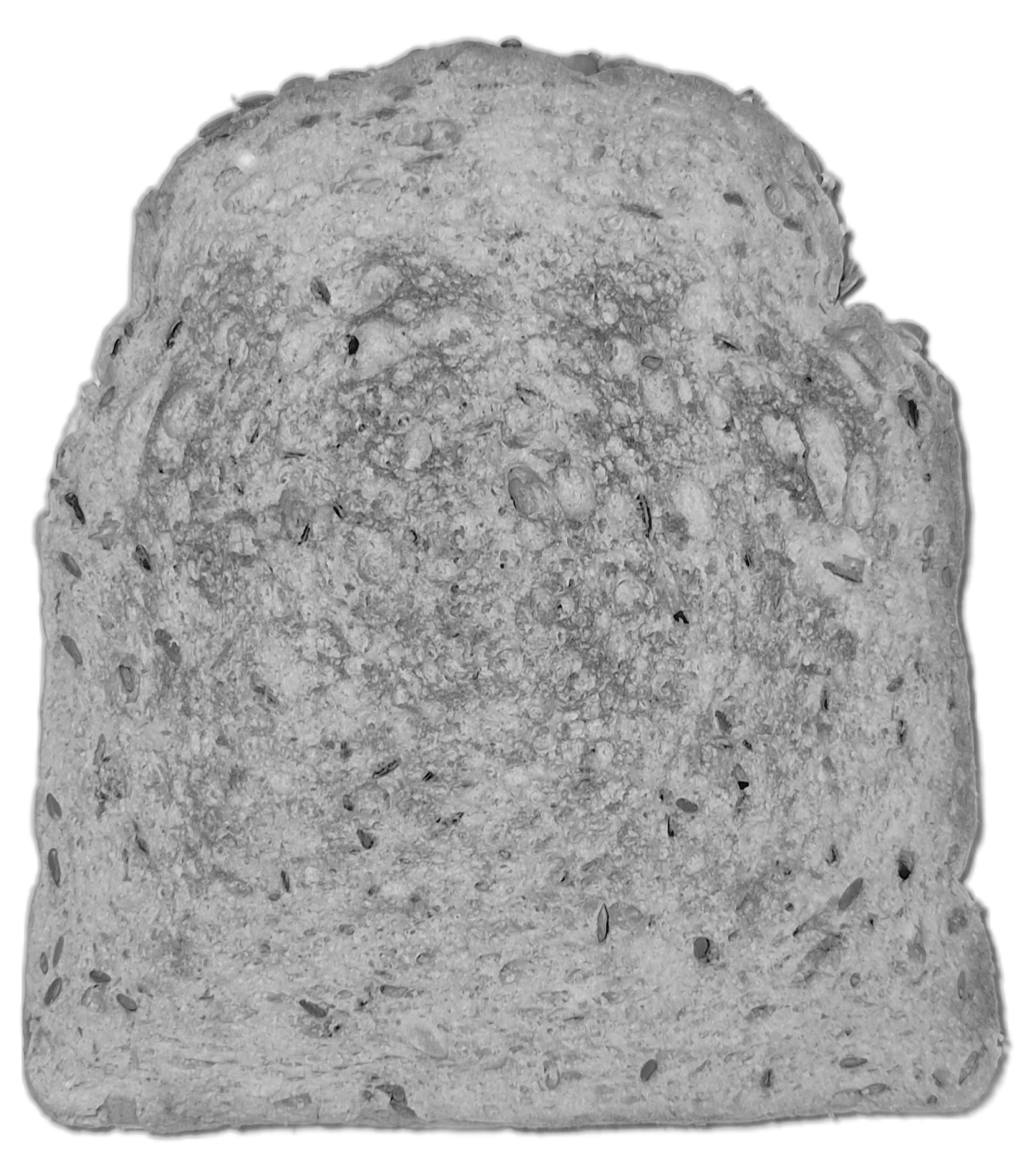
“That’s a bit of me” (p. 6)
A piece of toast with no toppings is a tabula rasa (blank slate) - What toppings make you, you?
I have included an image of a piece of bread (that I personally toasted, no AI here) so that you can put things on it that represent you.
(I find philosophy too much to handle.)
Includes:
About me
2026 Calendar (Monday start)
Vision board – Vision boards can promote self-reflection and self-awareness (Waalkes et al., 2019). They also provide an opportunity for creative expression, communication, future goal setting, and exploration (Burton & Lent, 2016), without relying heavily on verbal expression.
Daily templates – Daily to-do, check-in, today I’m feeling, I think that, what I’m grateful for today, weekly grid.
Outfit builder – Being a fashion psychology blog, it’s only right to have included an outfit builder.
Wellbeing Activities –
Dopamine menu – Dopamine is a neurotransmitter that drives the brain's motivation and reward-seeking behaviour (see Dresp-Langley, 2023). Starters are quick and simple activities that don’t take up too much energy (e.g., having a coffee break, putting a facemask on, listening to a song, etc.). Mains are meaty activities that require greater focus and tend to have benefits (e.g., baking, reading, learning a new skill, etc.). Desserts are activities that are entirely for pleasure and make you feel good in the short-term, though they should probably be done in moderation (e.g., online shopping, scrolling social media)!
Wellbeing graph (short term/long term, mind/body) - If you’re not a fan of the dopamine menu, you can use this grid instead.
Wellbeing (wheel) log - Wellbeing encompasses 8 mutually interdependent dimensions: physical, intellectual, emotional, social, spiritual, occupational, financial, and environmental (see Stoewen, 2017). You can fill in the wheel to record how you feel about each dimension. I’ve also provided a blank wheel in case there’s anything specific you want to work on.
Out of/in my control – Think about things that you can control in life and what’s probably not worth stressing over (see Botha & Dahmann, 2023). Inside the ‘in my control’ circle, write down all of the things that you have control over. On the outside of the circle, write down things that are not in your control.
Menstrual cycle – Record your feelings, symptoms, and energy level during each stage of your cycle to help you proactively manage each stage.
Ins and outs – What’s in and out in 2026 for you?
This to that – Reframe thoughts into positive ones.
Goal setting – Plan out goals you’d like to achieve.
Wishlist – What are your needs and wants?
To read/watch/listen list.
Review
Other – 26 lessons learned in 2026, habit tracker, vision board, mood board, routine, dream log, what’s in my bag, travel plan, thoughts dump, recipes.
Album templates
Blank pages and grids
Quotes – I’ve included my favourite quotes that I think you’ll like too.
173 questions based on PERMA theory and life crafting (of course, answer the ones you’re comfortable with).
I wrote about the benefits in more detail here.
Remember to always do what works for you, and do it for you. Try out the journal and let me know how you find it, or if you’ve got any questions! You can reach me here: @psychologybutmakeitfashion. :)
You may find the file below. It's a hyperlinked PDF that can be used on any notes app that allows PDF import (i.e., Goodnotes, Samsung Notes, etc.). To go back to the menu, tap on the top right corner of each page. If you have an iPad/tablet with a wider resolution and don’t like the black bars/want a portrait version of this journal, please let me know.

Continuing the series of PBMIF’s annual digital journal diary planner PDF templates inspired by positive psychology, here’s the 2026 edition. Compatible with iPad, Samsung tablets, iPhone, Android, and other tablets. To be used with PDF import apps including Samsung Notes, Goodnotes, and Adobe Acrobat. [16:10, landscape, 13.6MB]. No clutter. Hyperlinks included. Tap the right top corner of the page to go back to the menu in reader mode.
Includes: About me; 2026 calendar (Monday start); 2026 vision board; daily templates (daily to-do, check-in, today I’m feeling, I think that, what I’m grateful for today, weekly grid); outfit builder; wellbeing activities: dopamine menu; wellbeing graph (short term/long term, mind/body); wellbeing (wheel) log; blank wheel; out of/in my control; menstrual cycle tracker; ins and outs; this to that; goal setting; wishlist; to read/watch/listen list; review; other – 26 lessons learned in 2026, habit tracker, vision board, mood board, routine, dream log, what’s in my bag, travel plan, thoughts dump, recipes; album templates; blank pages and grids; quotes; 173 questions/journal prompts based on PERMA theory and life crafting.
Find it here: Click the image above.
Thank you for supporting PBMIF in 2025/6. I wish you an awesome year.
PLEASE DO NOT UPLOAD THIS PDF TO PUBLIC FILE-SHARING SITES.
You may want to read…
Botha, F. & Dahmann, S. C. (2023). Locus of control, self-control, and health outcomes. SSM - Population health, 25, 101566. https://doi.org/10.1016/j.ssmph.2023.101566
Burton, L. & Lent, J. (2016). The use of vision boards as a therapeutic intervention. Journal of Creativity in Mental Health, 11, 52–65. https://doi.org/10.1080/15401383.2015.1092901
de Jong, E. M., Ziegler, N., & Schippers, M. C. (2020). From shattered goals to meaning in life: Life crafting in times of the COVID-19 pandemic. Frontiers in Psychology, 11, 2648. https://doi.org/10.2139/ssrn.3656964
Dresp-Langley, B. (2023). From Reward to Anhedonia-Dopamine Function in the Global Mental Health Context. Biomedicines, 11(9), 2469. https://doi.org/10.3390/biomedicines11092469
Kovich, M. K., Simpson, V. L., Foli, K. J., Hass, Z., & Phillips, R. G. (2023). Application of the PERMA Model of Well-being in Undergraduate Students. International journal of community well-being, 6(1), 1-20. https://doi.org/10.1007/s42413-022-00184-4
Schippers, M. C. & Ziegler, N. (2019). Life crafting as a way to find purpose and meaning in life. Frontiers in Psychology, 10, 2778. https://doi.org/10.3389/fpsyg.2019.02778
Stoewen, D. L. (2017). Dimensions of wellness: Change your habits, change your life. The Canadian veterinary journal (La revue veterinaire canadienne), 58(8), 861-862.
Waalkes, P. L., Gonzalez, L. M., & Gray, C. N. (2019). Vision boards: A creative tool for self exploration and identity development. Journal of Creativity in Mental Health. https://doi.org/10.1080/15401383.2019.1602092

Time for a Mid-Year Reset
Welcome, this is your mini mid-year reset guide.
Can you believe we're already halfway through the year? It's easy to get caught up in what you haven't accomplished yet, but let's be clear, it's never too late to start something new or go after your goals. There's no need to wait for January 1st, and you shouldn't feel like the year has been a waste. You still have six months to make great things happen.
This guide isn't about shaming you, telling you to start a 3AM productivity routine, or forcing you to read a dozen self-help books. Instead, it's an opportunity to pause, reflect on your year so far, and re-assess what truly matters to you.
I know how easy it is to wait for the "perfect" time to begin. But more often than not, the perfect time is right now. When you finally get started, you might even look back and wonder, "Why didn't I do this sooner?"
So, let's get into it. Here are five simple things you can do today to have a little refresh. ✨
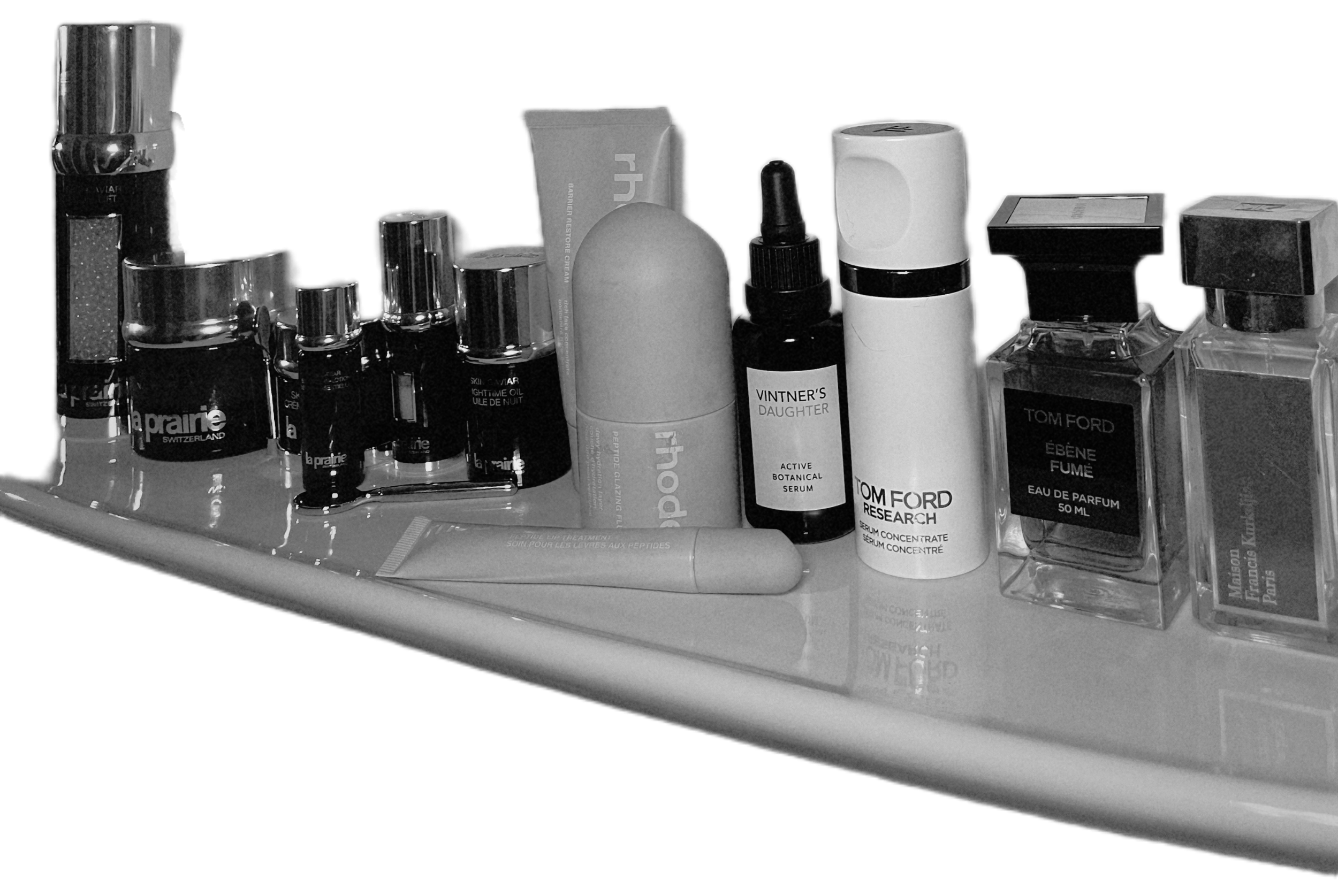
It’s time. (Credit: dupe/kimberguillen)
Your vision board CHECK-IN
You’ve probably made a vision board at the start of the year.
A vision board is a visual collection of an individual’s aspirations (i.e., usually goals you’d like to achieve by December). It can include images, words, symbols, etc. Think of it like a bucket list; goals you want to work towards. It serves as a visual reminder and keeps you motivated.
Vision boards can facilitate imaginative thinking, link our subconscious desires to conscious goals (Burton & Lent, 2016; Waalkes et al., 2019), evoke positive emotions and hope, empower individuals to take control of their future narratives, enhance a sense of agency and active participation in defining and visualising goals (Burton and Lent, 2016). Furthermore, vision boards can be a valuable tool for promoting career development and self-awareness. Creating vision boards can help individuals to identify their strengths and interests, develop career goals, increase self-efficacy and motivation, and also help individuals feel more connected to culture and community (Waalkes et al., 2019).
Benedict (2021) suggests that creating and presenting vision boards can help individuals to reflect on their experiences, again, identify their strengths and weaknesses, set future goals, visualise success, gain inspiration, and learn from their own and others' experiences.
If you’ve made a vision board for this year, pull it up, take some time to review it, check your progress so far, have a think about:
What’s on there?
Have you achieved anything on there yet? (Well done if you have!)
What have you not achieved yet? (There’s still time to achieve!)
Why have you not been able to make any progress yet? (Find out what could be holding you back.)
Is there anything you’re not interested in/doesn’t resonate with you anymore? (Change it, remove it, or postpone it. It’s alright to have a change of heart. With a vision board, the thing is that you have the ability to change it. Your goals don’t have to be set in stone.)
If you haven’t made one, give it a try. You can make one for the rest of the year or you can make one to reflect your dreams and desires in general. Some people like to break their goals down by month, while others may go with the flow.
So how do you go about making a vision board? You can make a physical vision board or a digital one, whichever you prefer.
If you want to make a physical vision board, get a piece of paper or card. Print off some images and quotes that you like and stick it on the paper or card. It could look something like this:
On the other hand, if you want to make a digital vision board there are three main ways you can go about making one: A notes app (e.g., Apple Notes, Samsung Notes, Notion, Goodnotes, etc.); using online editing software (e.g., Word, PowerPoint, Paint, Canva, etc.); or simply saving images in a folder in your gallery.
You can be as specific as you want, there are no rules. You can cover areas such as finance, relationship, career, lifestyle, and recreation. You could include things like:
Restaurants you want to go to;
A promotion you’d like;
A new skill you’d like to learn;
A clothing item you really want; or
A place you’d like to visit.
If you’d like to take your vision board a step further, you may even plan out the steps you’re going to take in order to achieve your goals. Start off small, what little things can help you get started today? Remember that things don’t usually come into fruition overnight and can take some time to prepare and execute.
wardrobe RESET: DECLUTTER AND REORGANISE
If there’s one thing that we all have in common in our day to day lives, that one thing has got to be deciding what to wear. Our wardrobe is an area of our life that has a large influence on us.
Find the time to go through your wardrobe and/or drawers and take a look at the clothes you have. As you do, ask yourself a few questions:
What do you wear most often and what do you genuinely love?
What clothing items don't serve you anymore, need some repair, or are just taking up space?
Have you rediscovered anything you totally forgot you owned?
In the UK, it’s summer in July (sorry if you’re reading from Australia).
Now is the perfect time to make your wardrobe work for you. If you're in a summer climate, bring your favourite warm-weather clothes to the front of your closet. Move those heavy knits, thick jumpers, and winter coats to the back or a different storage spot. This simple swap makes it easier to see and access the items you'll actually wear in the coming months. It can also help you avoid buying new things for a holiday that you may already have buried in the back.
Oh, and those clothes I told you to think about earlier that don’t serve you anymore - Let’s be real, they’re probably taking up space. With these, you can:
Replace them with something that fits your current needs and style;
Donate them to a local charity;
Sell them on a second-hand app like Vinted, Depop, or eBay;
Recycle them at a textile recycling centre;
Mend anything that just needs a little TLC.
Are you finding that outfit planning is quite a struggle at this time of year? If you find yourself in a rush in the morning and struggle to find an outfit for work, school, or in general then take the time to plan your outfits out the night before! You won’t believe how much time you’ll save.
You can even try putting together a capsule wardrobe, there are many benefits to having this system in place. A capsule wardrobe involves a curated collection of a few essential, versatile items that you can mix and match. It can simplify your decisions, help you save money on impulsive purchases, and make getting dressed feel less like a chore and more like a joy.
Exercise: GET YOUR BODY MOVING
Exercise/physical activity can provide us with a lot of benefits; it’s a great way to keep us not just physically healthy, but can also do wonders for our mental health as well.
The NHS (2025) recommends that 19-64 year olds take part in at least 150 minutes of moderate-intensity activity a week. According to a recent systematic review carried out by Huang and Wong (2025), featured in Frontiers in Psychology (Sec. Sport Psychology), ‘Exercise prescriptions for young people's emotional wellbeing’, it’s been suggested that: low-intensity exercises can help reduce negative emotions and increase mental toughness; moderate-intensity exercises can effectively reduce anxiety and increase vitality; short periods of running can enhance wellbeing; and 15–30 minutes of exercise can lead to lasting positive emotions.
Moreover, Trajković et al. (2023) discussed in a editorial titled ‘Effects of physical activity on psychological well-being’ that the positive psychological effects of exercise include increased life satisfaction, positive emotions, self-appraisal, self-efficacy, self-confidence, and physical competence. In addition, the authors comment that higher levels of physical activity is also associated with lower cortisol levels, lower negative mood, fewer symptoms of depression and anxiety, and fewer sleep disturbances. They add that physical activity may be considered a protective factor for lower stress levels, depression, and poor eating habits.
Of course, you can tailor exercise to your own individual circumstances, what might work for someone else might not work for you. You don’t have to join a run club, sign up for a gym membership, start loading up on protein, buy a new Alo/lululemon set, neither a Peloton subscription. There are many things you can do to keep your body active such as:
Taking a walk (maybe in a shopping centre, at the park, the beach, etc.), especially when the weather is tolerable;
Playing with a pet;
Swimming;
Yoga; and even
Gentle stretches.
You can find hundreds of free guided workout videos on YouTube, with options for every fitness level. If getting active feels like a struggle, start with just a few minutes a day. The key is to start small and find something you genuinely enjoy.
If you find it hard to concentrate, find exercise quite boring, or if you’re nervous to exercise in a gym, try listening to your favourite music to boost your morale.
Journal: WRITE YOUR THOUGHTS DOWN
Speaking about keeping your body active, it’s also important to keep your mind active.
One simple way to do this is through journalling! Journalling is simply the act of writing down your thoughts, feelings, and ideas. It gives you a place to acknowledge them instead of having them just floating around in your mind (rent-free?).
Journalling can be an important tool for improving emotional and psychological wellbeing (Wurtz et al., 2022), and it’s pretty useful if you don’t have anyone to talk to or if you’re not comfortable sharing your feelings with others.
You can write in a notebook, a diary, a notes app, a journalling app, whatever you want. You can download PBMIF’s free 2025 digital journal here which includes many activities and questions to aid reflection.
To get started, try reviewing the first half of the year by reflecting on these questions:
What have you done so far that you're proud of?
What’s gone well for you, and what hasn’t gone so well?
What's made you happy or sad?
What are you grateful for?
What have you been putting off that you want to start now?
What has you feeling worried or restless?
If writing's not your cup of tea, you can still reflect in other ways. At the end of the day (in bed), take a moment to think about one thing you're grateful for. It doesn't have to be a major event—it could be a small win, like finding the last item in stock that happened to be your size, getting a package in the mail, passing an exam, spending time with someone you love, or even just finding an extra chip at the bottom of your takeaway bag. Stuff like that, yeah?
Even better yet, hear me out. When you get some private time to yourself, whether it be first thing in the morning, when you’re driving, cleaning, in the shower, or even right before you go to bed, just have a little conversation with yourself (or you can speak to God, the universe, etc. if you prefer) aloud. You can even look out of the window and just speak whatever’s on your mind. Talk freely and openly. Ask questions. Your own thoughts may provide you breadcrumbs towards breakthroughs.
Digital Detox: GET RID OF UNNECESSARY DIGITAL CLUTTER
Our digital devices… so prominent in our lives. It’s only right to keep them clutter-free, right? Otherwise they just serve as a distraction.
When you’ve got notifications going off all the time, a load of screenshots of recipes you’ll probably never bother to try, 100+ unread emails, ridiculous content on your for you page, let’s be real, is this not annoying? What’s more, do you find yourself scrolling social media for hours on end?
Schraggeová and Bisaha (2025) describe a digital detox as . . . “a range of online and offline interventions aimed at improving wellbeing by optimising habits and behaviours associated with technology use, particularly smartphones”. A digital detox isn't about not using your digital devices. It's simply any effort you make to be more intentional with your technology use. It's about taking back control of your digital life so it serves you and your wellbeing.
Try and make your digital habits mindful and intentional. Here are a few things you can do to give your digital life a little clean up:
Clean up your feed: Unfollow any accounts that no longer serve you joy. On the flip side, follow accounts that are uplifting, inspiring, or genuinely useful. At the same time, unsubscribe from newsletters that clog up your inbox and delete old spam emails;
Declutter your phone: Delete old apps, screenshots, and notes you don’t use or need. If you have screenshots of things you'd like to do or try, put them on your vision board! If you find your screen time is out of control, consider setting app timers to help you use your time more mindfully;
Reconnect with what matters: Instead of endless scrolling, use your device for real connection. Maybe send a quick message to a friend or family member you haven't spoken to in a while. Or, put your phone down and start that new hobby you've been wanting to try;
Perform a digital check-up: Take a moment to save important photos and files to an external hard drive or cloud service. While you're at it, do a quick password check and update your passwords. Keep them somewhere safe.
And there you have it: five simple things you can do to give yourself a mid-year refresh. I hope this guide helps you take a step back, reset your focus, and approach the rest of the year feeling more intentional and inspired.
Thank you for reading. ;)
Benedict, B. C. (2021). Using Vision Boards to Reflect on Relevant Experiences and Envision Ideal Futures. College Teaching, 69(4), 231-232. https://doi.org/10.1080/87567555.2020.1850411
Burton, L., & Lent, J. (2016). The use of vision boards as a therapeutic intervention. Journal of Creativity in Mental Health, 11, 52–65. https://doi.org/10.1080/15401383.2015.1092901
Huang, W. & Wong, T. L. (2025). Exercise prescriptions for young people's emotional wellbeing: a systematic review of physical activity intensity, duration, and modality. Frontiers in Psychology, 16, 1552531. https://doi.org/10.3389/fpsyg.2025.1552531
NHS UK . (Accessed: 2025, Jul 16). Physical activity guidelines for adults aged 19 to 64. https://www.nhs.uk/live-well/exercise/physical-activity-guidelines-for-adults-aged-19-to-64
Radtke, T., Apel, T., Schenkel, K., Keller, J., & von Lindern, E. (2021). Digital detox: An effective solution in the smartphone era? A systematic literature review. Mobile Media & Communication, 10(2), 190-215. https://doi.org/10.1177/20501579211028647
Schraggeová, M. & Bisaha, D. (2025). The effect of digital detox through digital minimalism using the MinimalistPhone [sic] app on the behavior of young users and their emotional experience. Computers in Human Behavior, 18, 100699. https://doi.org/10.1016/j.chbr.2025.100699
Trajković, N., Mitić, P. M., Barić, R., & Bogataj, Š. (2023). Editorial: Effects of physical activity on psychological well-being. Frontiers in Psychology, 14, 1121976. https://doi.org/10.3389/fpsyg.2023.1121976
Waalkes, P. L., Gonzalez, L. M., & Brunson, C. N. (2019). Vision Boards and Adolescent Career Counseling: A Culturally Responsive Approach. Journal of Creativity in Mental Health, 14(2), 205-216. https://doi.org/10.1080/15401383.2019.1602092
Wurtz, H. M., Willen, S. S., & Mason, K. A. (2022). Introduction: Journaling and Mental Health during COVID-19: Insights from the Pandemic Journaling Project. SSM. Mental health, 2, 100141. https://doi.org/10.1016/j.ssmmh.2022.100141
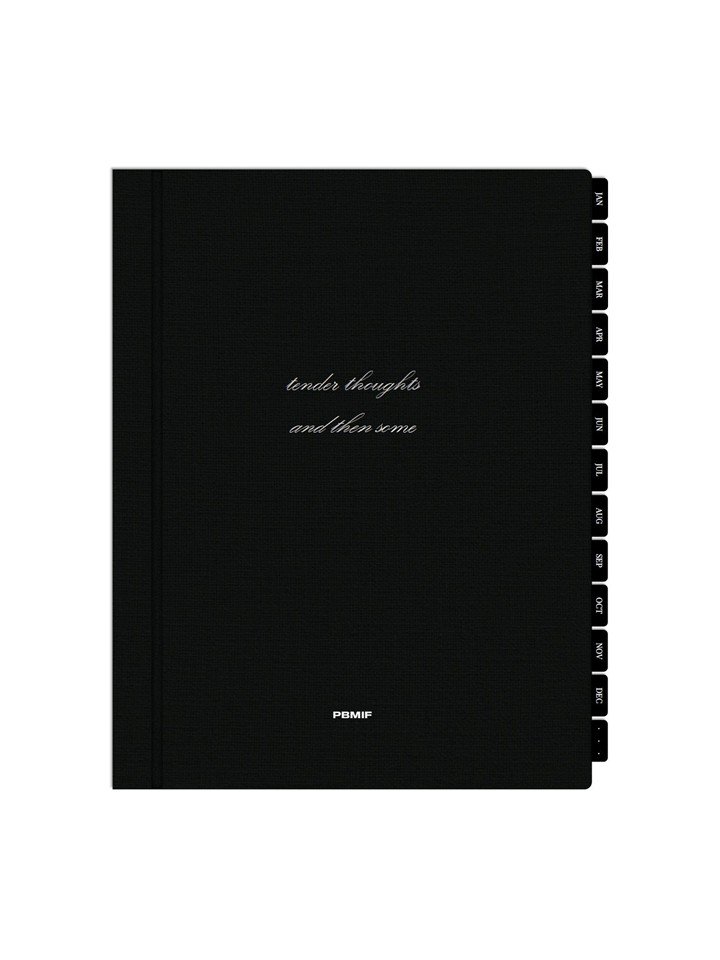
2025 Digital Journal
Did you say you're looking for a new digital journal to try out in 2025? Say no more.
It's 2025!
You like?
PBMIF's 2025 digital journal has launched. Available as a PDF document, this journal can be used on any device using your preferred notes application.
After your nice feedback on the 2024 digital journal (thank you), I thought I'd make another one for 2025.
Yes, it's free.
WHAT'S NEW?
What's new this year?
The journal has an entirely new look. In this edition tabs/dividers and textures have been added, it looks more authentic, and it's more straightforward. It has a bit of a romantic feel - French menu-esque... It's designed for you to get to know you, better.
One major difference is that activities are now blended seamlessly into the journal; large chunks of text and instructions have been replaced by simple sentences. The rigid structure of the last journal was quite boring and I was never motivated to complete it myself. It's more customisable this time. By adding tab dividers, you're able to drag pages to whichever tab you want. The pages have an added texture to appear paper-like. I've removed page numbers. As this journal was intended for you to move pages around and add more (i.e., duplicate them), it didn't quite make sense to add page numbers this time because they'd be all over the place!
Taking these changes into consideration, I hope you find this journal more interesting to use.
JOURNALLING - DO WHAT'S BEST FOR YOU!
There are no rules when it comes to journalling. You can journal whenever you feel like it. Some people like to journal at the end of the week and some like to journal instead of scrolling through social media. Journalling shouldn't be a chore where you feel obliged to track your every waking moment.
Included in this PDF template:
Calendar;
Monthly tabs with hyperlinks;
100+ questions;
Vision board; and
Blank template pages.
WHAT ARE THE BENEFITS OF JOURNALLING?
Have you tried journalling before? (I can't commit to spelling journaling like this). Journalling has been shown to have many benefits including increased life satisfaction.
If you've never journalled before, it can seem quite overwhelming. What are you meant to write? Where can you find the time to journal? How do you know which app to use? What pen colour do you choose? PBMIF's 2025 digital journal has a clean layout; it's designed to not be overwhelming. It's simple and easy to use.
Journalling is about finding out what you like to write about; it's personal to your values, interests, and life experiences (Huston et al., 2024). You don't need to adhere to what others do with their journals. What you find comfortable and pleasurable is the best approach for you.
Gratitude and gratitude journalling have been shown to positively impact psychological wellbeing and affective functioning, while also decreasing negative affect and stress (Cauble & Downs, 2022; Hall et al., 2024; Mohamed et al., 2023).
A recent study (McKay et al., 2024), published in Mindfulness, found that most participants who engaged in a 91-day self-compassion journalling exercise reported positive feedback and beneficial impacts on self-kindness, common humanity, and mindfulness. A journal is a low-cost and accessible way to improve self-compassion and wellbeing.
What is more, the beauty of digital journalling is that it's editable unlike pen to paper.
If you'd like to read more about the benefits of journalling, you can read this article.
You may find the file below. It's a PDF so it can be used on any notes app that allows PDF import (i.e., Goodnotes, Samsung Notes, etc.).
Thank you for your support, please do leave a comment, and even share your experience with the journal if you'd like to! I wish you a lovely 2025. Keep a lookout for more free downloadable resources.
2025 Digital Journal (Free PDF Download)
N.B. Hyperlinks only work in reader mode.
You may want to read...
Hall, A. H., Bache-Wiig, G. & White, K. M. (2024). Exploring the Impact of Gratitude Practice as a Protective Factor for Young Children. Early Childhood Education Journal. https://doi.org/10.1007/s10643-023-01623-3
Huston, G. E., Law, K. H., Teague, S., Pardon, M., Muller, J. L., Jackson, B., & Dimmock, J. A. (2024). Understanding and optimising gratitude interventions: the right methods for the right people at the right time. Psychology & Health, 1–17. https://doi.org/10.1080/08870446.2024.2336042
McKay, R. C., Zottl, L., & Jung, M. E. (2024). Becoming Kinder to Yourself: Evaluating a 91-Day Self-Compassion Journal. Mindfulness. https://doi.org/10.1007/s12671-024-02484-6
Mohamed, N. H., Beckstein, A., Winship, G., Ashraf Khan Mou, T., Pang, N. T. P., & Relojo-Howell, D. (2023). Effects of self-expressive writing as a therapeutic method to relieve stress among university students. Journal of Poetry Therapy, 36(3), 243–255. https://doi.org/10.1080/08893675.2023.2174678
Skrzelinska, J., Ferreira, J. A., Linharelhos, M., Aguiar, E., & Matos, M. (2024). The impact of gratitude practice on well-being and mental health in post-COVID times among Portuguese adults. Current Psychology, 43, 34863–34874. https://doi.org/10.1007/s12144-024-06974-7
Tolcher, K., Cauble, M., & Downs, A. (2022). Evaluating the effects of gratitude interventions on college student well-being. Journal of American College Health, 72(5), 1321–1325. https://doi.org/10.1080/07448481.2022.2076096

2024 Digital Journal
Let me tell you a secret. Well... It's not really a secret, but if there's one thing that you should consider starting in 2024, *whispers* it's a journal.
WHAT A LOVELY DAY TO START JOURNALLING…
Whether in digital or paper form, journalling has been shown to have many benefits, but of course instead of just saying so, we'll back it up with research. Overall, journalling is an accessible and effective way to improve your wellbeing, no matter who you are.
Here is PBMIF's 2024 journal/calendar/diary/activity book/scrapbook. It's based on theories and concepts in positive psychology and similar disciplines. Martin Seligman, a leading figure in positive psychology, devised what is known as the 'PERMA' model, which is comprised of five elements that contribute to wellbeing; positive emotion, engagement, relationships, meaning, and achievement. This journal aims to include these five elements.
Positive emotions - What makes you feel positive emotions?
Engagement - What activities do you really enjoy doing to a point where time goes by without you realising?
Relationships - What relationships bring you support and joy?
Meaning - What do you feel drawn to these days? What does having a sense of meaning mean to you? What do you find worthwhile?
Accomplishment - How do you feel when you accomplish something? What drives you to persevere?
VISION BOARD
This journal asks you to create your own vision board. Set your vision.
Waalkes et al. (2019) comment that vision boards can be a valuable tool for promoting career development and self-awareness. Creating vision boards can help individuals (in this case, students) to identify their strengths and interests, develop career goals, visualise their future, increase self-efficacy and motivation, and feel more connected to culture and community.
Benedict (2021) suggests that creating and presenting vision boards can help individuals (in this case, students) to reflect on their experiences, again, identify their strengths and weaknesses, set future goals, visualise success, gain inspiration, and learn from their own and others' experiences.
GRATITUDE
Expressing gratitude is an awesome experience.
Deichert et al. (2019) suggest that gratitude is an effective way to improve wellbeing. Gratitude can help people to focus on the positive aspects of their lives, build better relationships, get more out of their social networks (after experiencing stress), build resilience, and live healthier lives.
Zhang et al. (2022) suggest that gratitude is good for your wellbeing; it makes you happier and more satisfied with your life. Being grateful for specific things helps the most.
Chui and Diehl (2021) found that that people who were more grateful were less likely to feel lonely in a study. The association between gratitude and loneliness was significant across all age groups, but it was strongest in younger adults.
Maybe you could write a letter to someone expressing your gratitude for them (and show it to them if you want? Might be cringe, but what can you do? 💁♀️).
WISHLIST
Here, you can add your material and experiential wants and must-haves. Even what you wish for others.
Although it's great to have goals to work towards, this wishlist gives you the opportunity to evaluate whether or not you actually want something. Impulse purchasing is very easy to do these days, and we have more possessions than we actually need (overconsumption...). You have the opportunity to ask yourself questions such as, "Do I really need this?", "Am I going to use this more than once?", "Is this just a phase...?", "How is this going to make me feel in the long term?", "Can this wait?", or "Am I doing this to fit in?". A wishlist can help you to understand the motivations behind your buying habits.
Life is not all about material possessions, but is also about your experiences and the memories you make too. Gilovich and Gallo (2020) suggest that experiential purchases (e.g., travel, concerts, events) tend to make people happier than material purchases (e.g., clothes, electronics, furniture) in the long run. Experiences are more memorable, shareable, and can lead to personal growth and development. Experiences are often associated with strong emotions and vivid memories, which can make them more meaningful and satisfying than possessions. Experiences can provide opportunities for learning and self-discovery.
Is there somewhere you want to go? Who with? What do you want to do? What do you want to see? What do you want to feel? What do you want to discover? Do you want to learn something new? Do you want to improve on something that you find enjoyable?
Life is not all about material possessions, but is also about your experiences and the memories you make too. Experiences are more memorable, shareable, and can lead to personal growth and development.
REFLECTIVE JOURNALLING
This journal prompts you to reflect.
Portman (2020) suggests that reflective journalling is a great tool for self-awareness and self-confidence because it can help individuals (in this case, the participants were students) develop a deeper understanding of their thoughts, process experiences, develop a better understanding of themselves, identify their strengths and weaknesses, improve their writing skills, organise their thoughts and feelings, and express themselves with clarity.
Write about your experiences with different scenarios, what are your thoughts about a topic of your choosing? Visited a new restaurant lately? Be a food critique. Watched a movie lately? Be a movie critique. Listened to a great recommended song on your Spotify? Be a music critique. Purchased a new item recently? Talk about the why. Is something or someone bothering you? Vent it out - How does this thing/person make you feel? What have they/it done to you? Had a positive interaction with someone? Note it down.
According to Voci et al. (2019), journalling can help individuals (in this case, medical students) improve their psychological wellbeing and academic performance. Journalling can also help to reduce stress and anxiety, and improve self-esteem.
Self-reflection, specifically, can help people to identify their strengths and weaknesses, develop goals for their lives, help people to cope with stress and challenges, build resilience, and develop a better understanding of their thoughts, feelings, and behaviours. MacIsaac et al. (2022) suggest that people who are naturally inclined to self-reflect are more likely to benefit from journalling than those who aren't.
LIFE CRAFTING
Schippers and Ziegler (2019) introduce the term, 'life crafting', a process of intentionally shaping your life to align with your values, passions, and goals. It's been shown to have a number of benefits, including increased happiness and wellbeing, greater life satisfaction, higher levels of self-actualisation, reduced stress, and increased resilience.
The seven-step life crafting process is as follows:
Discover your passions.
What do you like to do?
What kind of relationships would you like to have, both in your private life and your work life?
What kind of career would you like?
What lifestyle choices would you like?
Reflect on your current and desired competencies and habits.
What qualities do you admire in others?
What competencies would you like to have?
What are some habits you like or dislike in a person and yourself?
Reflect on your present and future social life.
What relationships energise you and what relationships don't do you any good?
Who are the kinds of friends and acquaintances that are good for you?
Who are the kinds of friends and acquaintances that you would like to have in the future?
How would you like your ideal family life and broader social life to look like?
Reflect on a possible future career.
What is important in a job?
What do you like to do?
What kind of colleagues do you want?
Who do you want to meet through your work?
Write about your ideal future.
Write about your best possible self in the future.
Write down specific goal attainment and “if-then” plans.
Formulate goals.
Identify and describe ways to overcome any possible obstacles.
How would you monitor your progress?
Make public commitments to your goals.
Communicate your goals to others, such as your friends, family, and co-workers.
SCRAPBOOK
The journal has a sticker collection because number one, it's cute, and number two, I found a sense of accomplishment in completing Hello Kitty and Groovy Chick sticker activity books growing up (thank you mum).
FioRito et al. (2021) suggest that scrapbooking can have a number of social and psychological benefits, including increased nostalgia proneness (ability to recall memories), social connection, and psychological comfort.
Karwowski et al. (2021) suggests that creativity can be a positive coping mechanism during difficult times. This suggests that creativity can help people to cope with stress, anxiety, and other challenges. Creativity can also be a way to connect with others. By sharing our creative work with others, we can build relationships.
WRITE A LETTER TO YOUR FUTURE SELF (OR FROM YOUR FUTURE SELF TO NOW)
Take the opportunity to write to your future self.
Chishima at al. (2021) have found that both letter writing to your future self and in the perspective of the future self to the present self have a positive impact on wellbeing in times of stress. The communication with your future self serves as a means to distance yourself from the state you are presently in and to take a broader perspective in a larger time frame.
WELLBEING WHEEL
This journal includes a wellbeing wheel.
Spain et al. (2021) express their admiration for the wellbeing wheel or (wellness wheel), a popular tool in therapy which can give you a better understanding of your wellbeing, strengths, and weaknesses. It can help you identify and pinpoint areas of your life that you are satisfied with (or not quite so), and feeds you crumbs on how to improve them or maintain them. From understanding any barriers, it can help you to create strategies, find the right support, and set relevant goals. You can adapt the wheel to make it more relevant to you; you can take away and add your very own dimensions. However, the most common dimensions are pies and foes:
Physical - physical health, activity, exercise, diet, sleep
Intellectual - learning, knowledge, skills, creativity, new interests
Emotional - acknowledging and managing feelings, gratitude, growth
Social - relationships, connections with others, communication
Financial - management, savings, spending
Occupational - career satisfaction, achievements, work-life balance
Environmental - comfort, safety, surroundings, care for the environment
Spiritual - meaning, beliefs, values
2024 Digital Journal (Free PDF Download)
Download the free PDF files here.
Single page
Two page
References
Benedict, B. C. (2021). Using Vision Boards to Reflect on Relevant Experiences and Envision Ideal Futures. College Teaching, 69(4), 231-232. https://doi.org/10.1080/87567555.2020.1850411
Chishima, Y., Liu, I-T. H-C., & Wilson, A. E. (2021). Temporal distancing during the COVID-19 pandemic: Letter writing with future self can mitigate negative affect. Applied Psychology: Health & Well-Being, 13(2), 406-418. https://doi.org/10.1111/aphw.12256
Chui, H. & Diehl, M. (2021). Gratitude and loneliness in daily life across the adult lifespan. Current Psychology: A Journal for Diverse Perspectives on Diverse Psychological Issues. https://doi.org/10.1007/s12144-021-02488-8
Crawford, A., Sellman, E., & Joseph, S. (2021). Journaling: A More Mindful Approach to Researching a Mindfulness-Based Intervention in a Junior School. International Journal of Qualitative Methods, 20. https://doi.org/10.1177/16094069211014771
Deichert, N. T., Fekete, E. M., & Craven, M. (2019). Gratitude enhances the beneficial effects of social support on psychological well-being, The Journal of Positive Psychology, 16(2), 168-177. https:.//doi.org/10.1080/17439760.2019.1689425
FioRito, T. A., Geiger, A. R., & Routledge, C. (2021). Creative Nostalgia: Social and Psychological Benefits of Scrapbooking. Art Therapy, 38(2), 98-103. https://doi.org/10.1080/07421656.2020.1748986
Gilovich, T & Gallo, I. (2020). Consumers’ pursuit of material and experiential purchases: A review. Consumer Psychology Review, 3(1), 20-33. https://doi.org/10.1002/arcp.1053
Karwowski, M., Zielińska, A., Jankowska, D. M., Strutyńska, E., Omelańczuk, I., & Lebuda, I. (2021). Creative Lockdown? A Daily Diary Study of Creative Activity During Pandemics. Frontiers in psychology, 12. https://doi.org/10.3389/fpsyg.2021.600076
MacIsaac, A., Mushquash, A., & Wekerle, C. (2022). Writing Yourself Well: Dispositional Self-Reflection Moderates the Effect of a Smartphone App-Based Journaling Intervention on Psychological Wellbeing across Time. Behaviour Change, 1-17. https://doi.org/10.1017/bec.2022.24
Portman, S. (2020). Reflective Journaling: A Portal Into the Virtues of Daily Writing. The Reading Teacher, 73(5), 597-602. https://doi.org/10.1002/trtr.1877
Spain, D., Stewart, V., Betts, H., & Wheeler, A. (2021). Wheel of Wellbeing (WoW) health promotion program: Australian participants report on their experiences and impacts. BMC Public Health, 21, 2037. https://doi.org/10.1186/s12889-021-12076-x
Voci, A., Veneziani, C. A. & Fuochi, G. (2019). Relating Mindfulness, Heartfulness, and Psychological Well-Being: the Role of Self-Compassion and Gratitude. Mindfulness 10, 339-351. https://doi.org/10.1007/s12671-018-0978-0
Waalkes, P. L., Gonzalez, L. M., & Brunson, C. N. (2019). Vision Boards and Adolescent Career Counseling: A Culturally Responsive Approach, Journal of Creativity in Mental Health, 14(2), 205-216. https://doi.org/10.1080/15401383.2019.1602092
Zhang, L., Li, W., Ye, Y., Yang, K., Jia, N. & Kong, F. (2022). Being grateful every day will pay off: a daily diary investigation on relationships between gratitude and well-being in Chinese young adults. The Journal of Positive Psychology, 18(6), 853-865. https://doi.org/10.1080/17439760.2022.2131606