
ARTICLES
Free 2026 Digital Journal (PDF Template for iPad and Tablet)
If I’m scrolling on my YouTube homepage and see a video of someone sharing their journal or diary, bet you I’m adding that straight to my watch later playlist for inspiration. Unfortunately, upon watching the video the inspiration lasts about 5 minutes and wears off into an endless TikTok scroll. There’s a kind of effortless aspirational energy in watching someone else perfectly document their life—and the curated idea of someone else's planning is often more engaging than the reality of doing it yourself. The constant pressure to maximise output has made self-improvement less about internal growth and more about external, performative success.
This whole vibe reveals the biggest scam of self-improvement right now, we are mistaking watching for doing. The core of journalling isn't that Pinterest-perfect spread; it's the actual grind—the messy, sometimes boring work of writing down your real, unfiltered thoughts. If you want to stop getting that five-minute boost that fades into a TikTok scroll, you have to ditch the idea of being perfect and neat. You need to stop treating your notebook like content and start using it like a personal cheat code. That means forgetting the fancy pens and perfect handwriting. A page full of chaotic scribbles that you actually wrote is always going to be much better than a pristine blank page that you were too intimidated to touch.
I was so invested in digital journalling back in 2023 that I even bought a tablet just for digital journalling. I got through 24 years of my life without wanting or needing a tablet. Forget Netflix, YouTube, making Pinterest boards, studying, playing games and all that—what are you all doing with your tablets anyway? After deciding to publish PBMIF’s first digital journal in 2024 I was amazed to see the attention the first journal received, so I made one for 2025. Can I be honest with you? I didn’t even use one of them myself. The thought was there, but not the drive nor the motivation. If I recall, I think I wrote I wanted 2025 to not be a ‘filler’ year, demonstrating the 2025 digital journal. The truth is I haven’t had the most fulfilling year, in fact I wasted a lot of it just by being online, watching other people live.
2026 Digital Journal Diary (PDF Download) 🩶 | iPad and Tablet | GoodNotes, Samsung Notes
Besides being a great procrastinator, I've struggled to post content recently. This year, changing website providers significantly hit the site's Google search rankings, and competition from AI search results has added to the problem. This combination has unfortunately led to a loss of motivation.
Amongst the many problems with journalling, if you see it that way, motivation is quite a large reason why many avoid it. If you’ve ever dipped your toe into journalling, starting off probably sounded like: What do you write? How much are you supposed to write? Is this aesthetically pleasing enough? Do I have to write morning pages like my favourite influencer? What if I forget to fill in my habit tracker? It can be overwhelming.
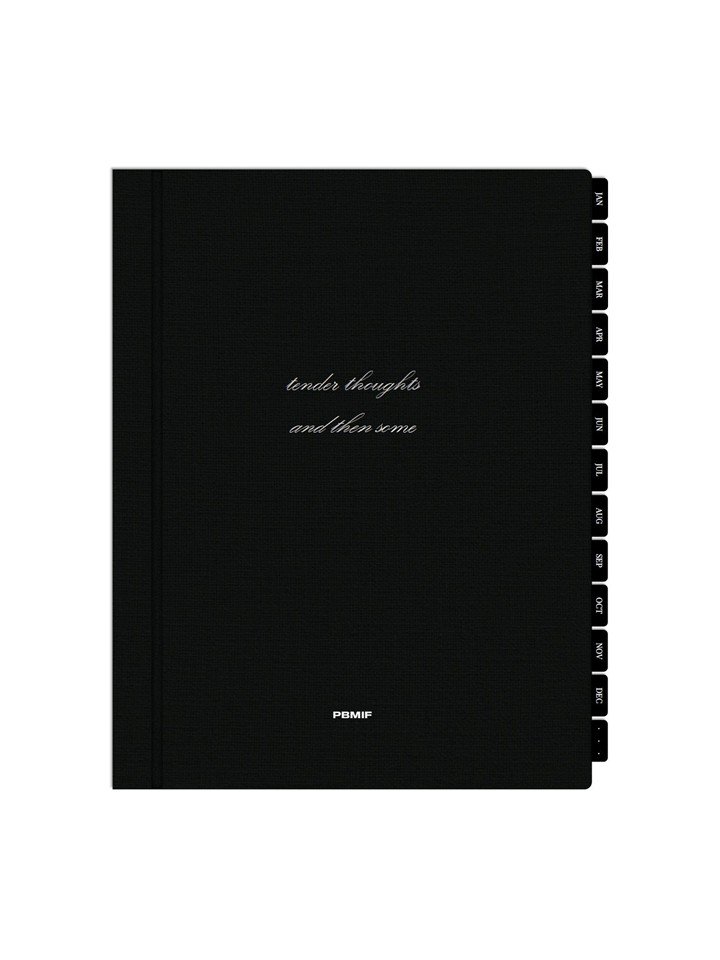
I’ve designed this year’s 2026 digital journal to be somewhat simple and intentional; just black and white, with a lot of white space, a place for you to put whatever you want. It’s horizontal this year, there’s something nice about a full screen (16:10). I had in mind a sort of album which you can document your year month by month, so it’s a case of copy and pasting pages with the corresponding month. Just drag and drop the pages wherever you want. This digital journal’s clean and spacious layout encourages you to write effortlessly without the distraction and pressure of trackers and clutter. A simple canvas for your daily life. It’s motivating precisely because it doesn't impose rigid structures—your entries flow freely.
This journal blends bits and pieces of life crafting with PERMA theory. Martin Seligman, a leading figure in positive psychology, devised what is known as the 'PERMA' model, which is comprised of five elements that contribute to wellbeing; positive emotion, engagement, relationships, meaning, and achievement/accomplishment (see Kovich et al., 2022). On the other hand, life crafting (Schippers & Ziegler, 2019, p. 3), is “a process in which people actively reflect on their present and future life, set goals for important areas of life, and create goals that are more aligned with their values and wishes”. This process has been suggested to help individuals find more meaning in their lives and help improve mental health (see de Jong et al., 2020).
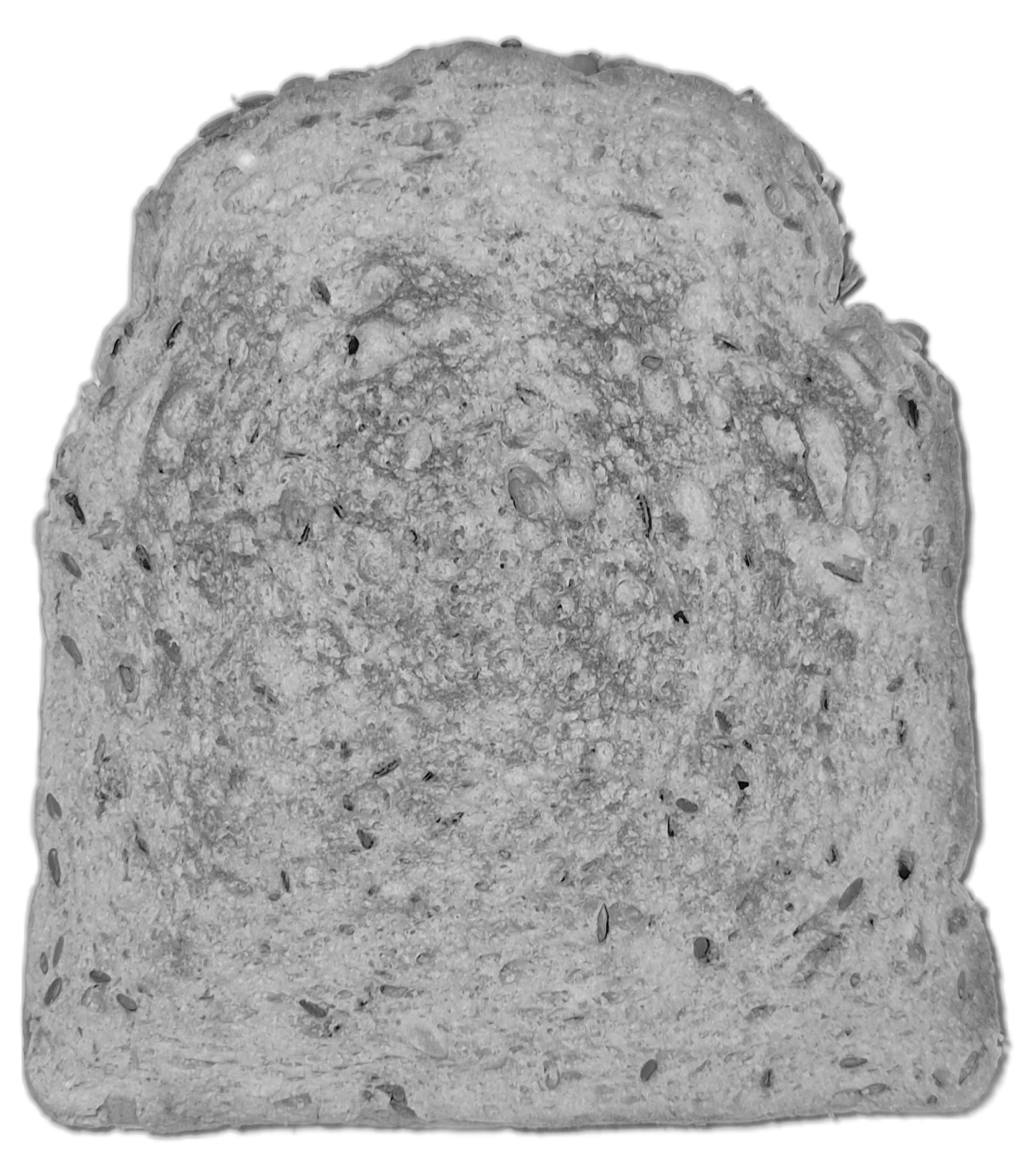
“That’s a bit of me” (p. 6)
A piece of toast with no toppings is a tabula rasa (blank slate) - What toppings make you, you?
I have included an image of a piece of bread (that I personally toasted, no AI here) so that you can put things on it that represent you.
(I find philosophy too much to handle.)
Includes:
About me
2026 Calendar (Monday start)
Vision board – Vision boards can promote self-reflection and self-awareness (Waalkes et al., 2019). They also provide an opportunity for creative expression, communication, future goal setting, and exploration (Burton & Lent, 2016), without relying heavily on verbal expression.
Daily templates – Daily to-do, check-in, today I’m feeling, I think that, what I’m grateful for today, weekly grid.
Outfit builder – Being a fashion psychology blog, it’s only right to have included an outfit builder.
Wellbeing Activities –
Dopamine menu – Dopamine is a neurotransmitter that drives the brain's motivation and reward-seeking behaviour (see Dresp-Langley, 2023). Starters are quick and simple activities that don’t take up too much energy (e.g., having a coffee break, putting a facemask on, listening to a song, etc.). Mains are meaty activities that require greater focus and tend to have benefits (e.g., baking, reading, learning a new skill, etc.). Desserts are activities that are entirely for pleasure and make you feel good in the short-term, though they should probably be done in moderation (e.g., online shopping, scrolling social media)!
Wellbeing graph (short term/long term, mind/body) - If you’re not a fan of the dopamine menu, you can use this grid instead.
Wellbeing (wheel) log - Wellbeing encompasses 8 mutually interdependent dimensions: physical, intellectual, emotional, social, spiritual, occupational, financial, and environmental (see Stoewen, 2017). You can fill in the wheel to record how you feel about each dimension. I’ve also provided a blank wheel in case there’s anything specific you want to work on.
Out of/in my control – Think about things that you can control in life and what’s probably not worth stressing over (see Botha & Dahmann, 2023). Inside the ‘in my control’ circle, write down all of the things that you have control over. On the outside of the circle, write down things that are not in your control.
Menstrual cycle – Record your feelings, symptoms, and energy level during each stage of your cycle to help you proactively manage each stage.
Ins and outs – What’s in and out in 2026 for you?
This to that – Reframe thoughts into positive ones.
Goal setting – Plan out goals you’d like to achieve.
Wishlist – What are your needs and wants?
To read/watch/listen list.
Review
Other – 26 lessons learned in 2026, habit tracker, vision board, mood board, routine, dream log, what’s in my bag, travel plan, thoughts dump, recipes.
Album templates
Blank pages and grids
Quotes – I’ve included my favourite quotes that I think you’ll like too.
173 questions based on PERMA theory and life crafting (of course, answer the ones you’re comfortable with).
I wrote about the benefits in more detail here.
Remember to always do what works for you, and do it for you. Try out the journal and let me know how you find it, or if you’ve got any questions! You can reach me here: @psychologybutmakeitfashion. :)
You may find the file below. It's a hyperlinked PDF that can be used on any notes app that allows PDF import (i.e., Goodnotes, Samsung Notes, etc.). To go back to the menu, tap on the top right corner of each page. If you have an iPad/tablet with a wider resolution and don’t like the black bars/want a portrait version of this journal, please let me know.
Continuing the series of PBMIF’s annual digital journal diary planner PDF templates inspired by positive psychology, here’s the 2026 edition. Compatible with iPad, Samsung tablets, iPhone, Android, and other tablets. To be used with PDF import apps including Samsung Notes, Goodnotes, and Adobe Acrobat. [16:10, landscape, 13.6MB]. No clutter. Hyperlinks included. Tap the right top corner of the page to go back to the menu in reader mode.
Includes: About me; 2026 calendar (Monday start); 2026 vision board; daily templates (daily to-do, check-in, today I’m feeling, I think that, what I’m grateful for today, weekly grid); outfit builder; wellbeing activities: dopamine menu; wellbeing graph (short term/long term, mind/body); wellbeing (wheel) log; blank wheel; out of/in my control; menstrual cycle tracker; ins and outs; this to that; goal setting; wishlist; to read/watch/listen list; review; other – 26 lessons learned in 2026, habit tracker, vision board, mood board, routine, dream log, what’s in my bag, travel plan, thoughts dump, recipes; album templates; blank pages and grids; quotes; 173 questions/journal prompts based on PERMA theory and life crafting.
Find it here: Click the image above.
Thank you for supporting PBMIF in 2025/6. I wish you an awesome year.
PLEASE DO NOT UPLOAD THIS PDF TO PUBLIC FILE-SHARING SITES.
You may want to read…
Botha, F. & Dahmann, S. C. (2023). Locus of control, self-control, and health outcomes. SSM - Population health, 25, 101566. https://doi.org/10.1016/j.ssmph.2023.101566
Burton, L. & Lent, J. (2016). The use of vision boards as a therapeutic intervention. Journal of Creativity in Mental Health, 11, 52–65. https://doi.org/10.1080/15401383.2015.1092901
de Jong, E. M., Ziegler, N., & Schippers, M. C. (2020). From shattered goals to meaning in life: Life crafting in times of the COVID-19 pandemic. Frontiers in Psychology, 11, 2648. https://doi.org/10.2139/ssrn.3656964
Dresp-Langley, B. (2023). From Reward to Anhedonia-Dopamine Function in the Global Mental Health Context. Biomedicines, 11(9), 2469. https://doi.org/10.3390/biomedicines11092469
Kovich, M. K., Simpson, V. L., Foli, K. J., Hass, Z., & Phillips, R. G. (2023). Application of the PERMA Model of Well-being in Undergraduate Students. International journal of community well-being, 6(1), 1-20. https://doi.org/10.1007/s42413-022-00184-4
Schippers, M. C. & Ziegler, N. (2019). Life crafting as a way to find purpose and meaning in life. Frontiers in Psychology, 10, 2778. https://doi.org/10.3389/fpsyg.2019.02778
Stoewen, D. L. (2017). Dimensions of wellness: Change your habits, change your life. The Canadian veterinary journal (La revue veterinaire canadienne), 58(8), 861-862.
Waalkes, P. L., Gonzalez, L. M., & Gray, C. N. (2019). Vision boards: A creative tool for self exploration and identity development. Journal of Creativity in Mental Health. https://doi.org/10.1080/15401383.2019.1602092

Time for a Mid-Year Reset
Welcome, this is your mini mid-year reset guide.
Can you believe we're already halfway through the year? It's easy to get caught up in what you haven't accomplished yet, but let's be clear, it's never too late to start something new or go after your goals. There's no need to wait for January 1st, and you shouldn't feel like the year has been a waste. You still have six months to make great things happen.
This guide isn't about shaming you, telling you to start a 3AM productivity routine, or forcing you to read a dozen self-help books. Instead, it's an opportunity to pause, reflect on your year so far, and re-assess what truly matters to you.
I know how easy it is to wait for the "perfect" time to begin. But more often than not, the perfect time is right now. When you finally get started, you might even look back and wonder, "Why didn't I do this sooner?"
So, let's get into it. Here are five simple things you can do today to have a little refresh. ✨
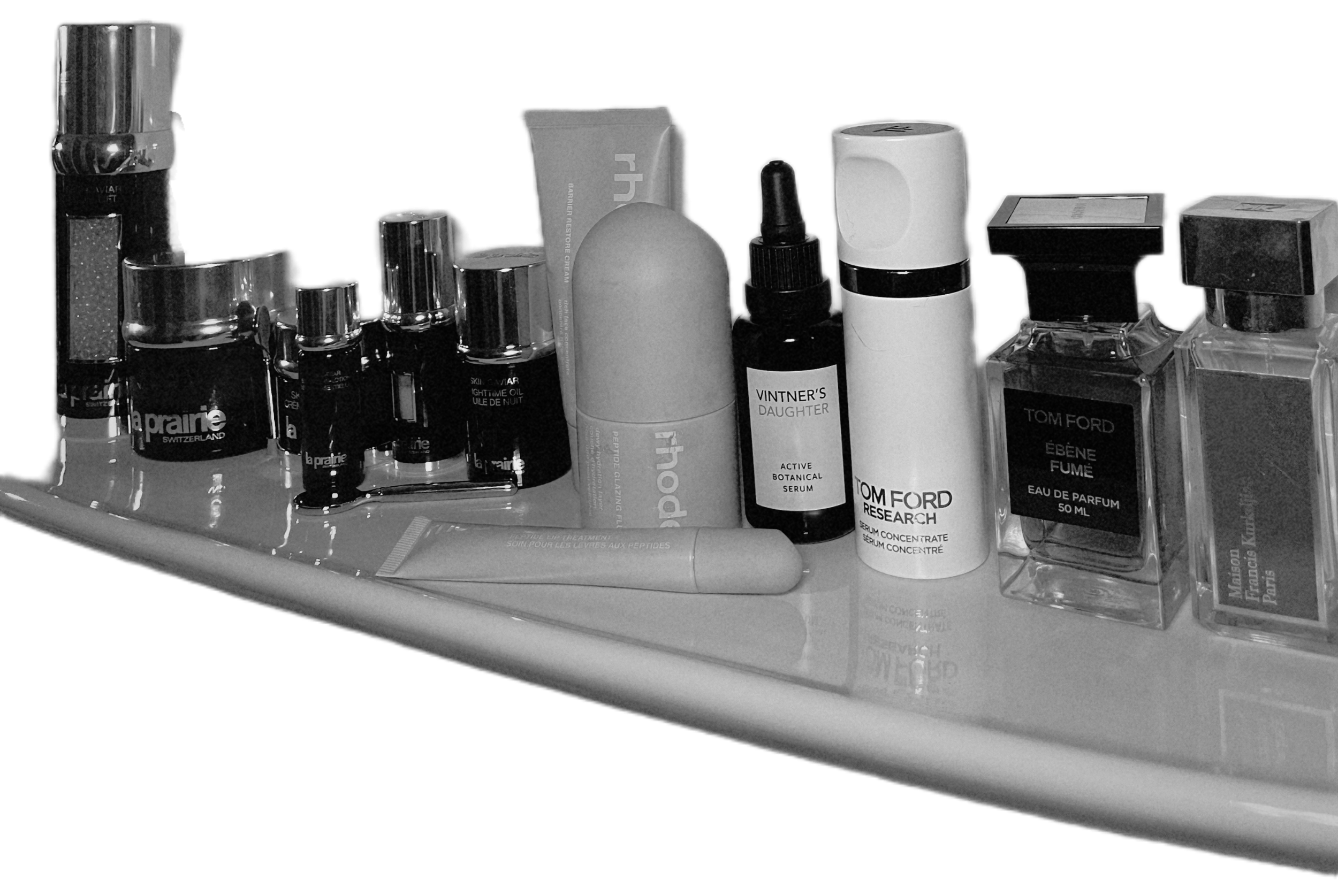
It’s time. (Credit: dupe/kimberguillen)
Your vision board CHECK-IN
You’ve probably made a vision board at the start of the year.
A vision board is a visual collection of an individual’s aspirations (i.e., usually goals you’d like to achieve by December). It can include images, words, symbols, etc. Think of it like a bucket list; goals you want to work towards. It serves as a visual reminder and keeps you motivated.
Vision boards can facilitate imaginative thinking, link our subconscious desires to conscious goals (Burton & Lent, 2016; Waalkes et al., 2019), evoke positive emotions and hope, empower individuals to take control of their future narratives, enhance a sense of agency and active participation in defining and visualising goals (Burton and Lent, 2016). Furthermore, vision boards can be a valuable tool for promoting career development and self-awareness. Creating vision boards can help individuals to identify their strengths and interests, develop career goals, increase self-efficacy and motivation, and also help individuals feel more connected to culture and community (Waalkes et al., 2019).
Benedict (2021) suggests that creating and presenting vision boards can help individuals to reflect on their experiences, again, identify their strengths and weaknesses, set future goals, visualise success, gain inspiration, and learn from their own and others' experiences.
If you’ve made a vision board for this year, pull it up, take some time to review it, check your progress so far, have a think about:
What’s on there?
Have you achieved anything on there yet? (Well done if you have!)
What have you not achieved yet? (There’s still time to achieve!)
Why have you not been able to make any progress yet? (Find out what could be holding you back.)
Is there anything you’re not interested in/doesn’t resonate with you anymore? (Change it, remove it, or postpone it. It’s alright to have a change of heart. With a vision board, the thing is that you have the ability to change it. Your goals don’t have to be set in stone.)
If you haven’t made one, give it a try. You can make one for the rest of the year or you can make one to reflect your dreams and desires in general. Some people like to break their goals down by month, while others may go with the flow.
So how do you go about making a vision board? You can make a physical vision board or a digital one, whichever you prefer.
If you want to make a physical vision board, get a piece of paper or card. Print off some images and quotes that you like and stick it on the paper or card. It could look something like this:
On the other hand, if you want to make a digital vision board there are three main ways you can go about making one: A notes app (e.g., Apple Notes, Samsung Notes, Notion, Goodnotes, etc.); using online editing software (e.g., Word, PowerPoint, Paint, Canva, etc.); or simply saving images in a folder in your gallery.
You can be as specific as you want, there are no rules. You can cover areas such as finance, relationship, career, lifestyle, and recreation. You could include things like:
Restaurants you want to go to;
A promotion you’d like;
A new skill you’d like to learn;
A clothing item you really want; or
A place you’d like to visit.
If you’d like to take your vision board a step further, you may even plan out the steps you’re going to take in order to achieve your goals. Start off small, what little things can help you get started today? Remember that things don’t usually come into fruition overnight and can take some time to prepare and execute.
wardrobe RESET: DECLUTTER AND REORGANISE
If there’s one thing that we all have in common in our day to day lives, that one thing has got to be deciding what to wear. Our wardrobe is an area of our life that has a large influence on us.
Find the time to go through your wardrobe and/or drawers and take a look at the clothes you have. As you do, ask yourself a few questions:
What do you wear most often and what do you genuinely love?
What clothing items don't serve you anymore, need some repair, or are just taking up space?
Have you rediscovered anything you totally forgot you owned?
In the UK, it’s summer in July (sorry if you’re reading from Australia).
Now is the perfect time to make your wardrobe work for you. If you're in a summer climate, bring your favourite warm-weather clothes to the front of your closet. Move those heavy knits, thick jumpers, and winter coats to the back or a different storage spot. This simple swap makes it easier to see and access the items you'll actually wear in the coming months. It can also help you avoid buying new things for a holiday that you may already have buried in the back.
Oh, and those clothes I told you to think about earlier that don’t serve you anymore - Let’s be real, they’re probably taking up space. With these, you can:
Replace them with something that fits your current needs and style;
Donate them to a local charity;
Sell them on a second-hand app like Vinted, Depop, or eBay;
Recycle them at a textile recycling centre;
Mend anything that just needs a little TLC.
Are you finding that outfit planning is quite a struggle at this time of year? If you find yourself in a rush in the morning and struggle to find an outfit for work, school, or in general then take the time to plan your outfits out the night before! You won’t believe how much time you’ll save.
You can even try putting together a capsule wardrobe, there are many benefits to having this system in place. A capsule wardrobe involves a curated collection of a few essential, versatile items that you can mix and match. It can simplify your decisions, help you save money on impulsive purchases, and make getting dressed feel less like a chore and more like a joy.
Exercise: GET YOUR BODY MOVING
Exercise/physical activity can provide us with a lot of benefits; it’s a great way to keep us not just physically healthy, but can also do wonders for our mental health as well.
The NHS (2025) recommends that 19-64 year olds take part in at least 150 minutes of moderate-intensity activity a week. According to a recent systematic review carried out by Huang and Wong (2025), featured in Frontiers in Psychology (Sec. Sport Psychology), ‘Exercise prescriptions for young people's emotional wellbeing’, it’s been suggested that: low-intensity exercises can help reduce negative emotions and increase mental toughness; moderate-intensity exercises can effectively reduce anxiety and increase vitality; short periods of running can enhance wellbeing; and 15–30 minutes of exercise can lead to lasting positive emotions.
Moreover, Trajković et al. (2023) discussed in a editorial titled ‘Effects of physical activity on psychological well-being’ that the positive psychological effects of exercise include increased life satisfaction, positive emotions, self-appraisal, self-efficacy, self-confidence, and physical competence. In addition, the authors comment that higher levels of physical activity is also associated with lower cortisol levels, lower negative mood, fewer symptoms of depression and anxiety, and fewer sleep disturbances. They add that physical activity may be considered a protective factor for lower stress levels, depression, and poor eating habits.
Of course, you can tailor exercise to your own individual circumstances, what might work for someone else might not work for you. You don’t have to join a run club, sign up for a gym membership, start loading up on protein, buy a new Alo/lululemon set, neither a Peloton subscription. There are many things you can do to keep your body active such as:
Taking a walk (maybe in a shopping centre, at the park, the beach, etc.), especially when the weather is tolerable;
Playing with a pet;
Swimming;
Yoga; and even
Gentle stretches.
You can find hundreds of free guided workout videos on YouTube, with options for every fitness level. If getting active feels like a struggle, start with just a few minutes a day. The key is to start small and find something you genuinely enjoy.
If you find it hard to concentrate, find exercise quite boring, or if you’re nervous to exercise in a gym, try listening to your favourite music to boost your morale.
Journal: WRITE YOUR THOUGHTS DOWN
Speaking about keeping your body active, it’s also important to keep your mind active.
One simple way to do this is through journalling! Journalling is simply the act of writing down your thoughts, feelings, and ideas. It gives you a place to acknowledge them instead of having them just floating around in your mind (rent-free?).
Journalling can be an important tool for improving emotional and psychological wellbeing (Wurtz et al., 2022), and it’s pretty useful if you don’t have anyone to talk to or if you’re not comfortable sharing your feelings with others.
You can write in a notebook, a diary, a notes app, a journalling app, whatever you want. You can download PBMIF’s free 2025 digital journal here which includes many activities and questions to aid reflection.
To get started, try reviewing the first half of the year by reflecting on these questions:
What have you done so far that you're proud of?
What’s gone well for you, and what hasn’t gone so well?
What's made you happy or sad?
What are you grateful for?
What have you been putting off that you want to start now?
What has you feeling worried or restless?
If writing's not your cup of tea, you can still reflect in other ways. At the end of the day (in bed), take a moment to think about one thing you're grateful for. It doesn't have to be a major event—it could be a small win, like finding the last item in stock that happened to be your size, getting a package in the mail, passing an exam, spending time with someone you love, or even just finding an extra chip at the bottom of your takeaway bag. Stuff like that, yeah?
Even better yet, hear me out. When you get some private time to yourself, whether it be first thing in the morning, when you’re driving, cleaning, in the shower, or even right before you go to bed, just have a little conversation with yourself (or you can speak to God, the universe, etc. if you prefer) aloud. You can even look out of the window and just speak whatever’s on your mind. Talk freely and openly. Ask questions. Your own thoughts may provide you breadcrumbs towards breakthroughs.
Digital Detox: GET RID OF UNNECESSARY DIGITAL CLUTTER
Our digital devices… so prominent in our lives. It’s only right to keep them clutter-free, right? Otherwise they just serve as a distraction.
When you’ve got notifications going off all the time, a load of screenshots of recipes you’ll probably never bother to try, 100+ unread emails, ridiculous content on your for you page, let’s be real, is this not annoying? What’s more, do you find yourself scrolling social media for hours on end?
Schraggeová and Bisaha (2025) describe a digital detox as . . . “a range of online and offline interventions aimed at improving wellbeing by optimising habits and behaviours associated with technology use, particularly smartphones”. A digital detox isn't about not using your digital devices. It's simply any effort you make to be more intentional with your technology use. It's about taking back control of your digital life so it serves you and your wellbeing.
Try and make your digital habits mindful and intentional. Here are a few things you can do to give your digital life a little clean up:
Clean up your feed: Unfollow any accounts that no longer serve you joy. On the flip side, follow accounts that are uplifting, inspiring, or genuinely useful. At the same time, unsubscribe from newsletters that clog up your inbox and delete old spam emails;
Declutter your phone: Delete old apps, screenshots, and notes you don’t use or need. If you have screenshots of things you'd like to do or try, put them on your vision board! If you find your screen time is out of control, consider setting app timers to help you use your time more mindfully;
Reconnect with what matters: Instead of endless scrolling, use your device for real connection. Maybe send a quick message to a friend or family member you haven't spoken to in a while. Or, put your phone down and start that new hobby you've been wanting to try;
Perform a digital check-up: Take a moment to save important photos and files to an external hard drive or cloud service. While you're at it, do a quick password check and update your passwords. Keep them somewhere safe.
And there you have it: five simple things you can do to give yourself a mid-year refresh. I hope this guide helps you take a step back, reset your focus, and approach the rest of the year feeling more intentional and inspired.
Thank you for reading. ;)
Benedict, B. C. (2021). Using Vision Boards to Reflect on Relevant Experiences and Envision Ideal Futures. College Teaching, 69(4), 231-232. https://doi.org/10.1080/87567555.2020.1850411
Burton, L., & Lent, J. (2016). The use of vision boards as a therapeutic intervention. Journal of Creativity in Mental Health, 11, 52–65. https://doi.org/10.1080/15401383.2015.1092901
Huang, W. & Wong, T. L. (2025). Exercise prescriptions for young people's emotional wellbeing: a systematic review of physical activity intensity, duration, and modality. Frontiers in Psychology, 16, 1552531. https://doi.org/10.3389/fpsyg.2025.1552531
NHS UK . (Accessed: 2025, Jul 16). Physical activity guidelines for adults aged 19 to 64. https://www.nhs.uk/live-well/exercise/physical-activity-guidelines-for-adults-aged-19-to-64
Radtke, T., Apel, T., Schenkel, K., Keller, J., & von Lindern, E. (2021). Digital detox: An effective solution in the smartphone era? A systematic literature review. Mobile Media & Communication, 10(2), 190-215. https://doi.org/10.1177/20501579211028647
Schraggeová, M. & Bisaha, D. (2025). The effect of digital detox through digital minimalism using the MinimalistPhone [sic] app on the behavior of young users and their emotional experience. Computers in Human Behavior, 18, 100699. https://doi.org/10.1016/j.chbr.2025.100699
Trajković, N., Mitić, P. M., Barić, R., & Bogataj, Š. (2023). Editorial: Effects of physical activity on psychological well-being. Frontiers in Psychology, 14, 1121976. https://doi.org/10.3389/fpsyg.2023.1121976
Waalkes, P. L., Gonzalez, L. M., & Brunson, C. N. (2019). Vision Boards and Adolescent Career Counseling: A Culturally Responsive Approach. Journal of Creativity in Mental Health, 14(2), 205-216. https://doi.org/10.1080/15401383.2019.1602092
Wurtz, H. M., Willen, S. S., & Mason, K. A. (2022). Introduction: Journaling and Mental Health during COVID-19: Insights from the Pandemic Journaling Project. SSM. Mental health, 2, 100141. https://doi.org/10.1016/j.ssmmh.2022.100141
2025 Digital Journal
Did you say you're looking for a new digital journal to try out in 2025? Say no more.
It's 2025!
You like?
PBMIF's 2025 digital journal has launched. Available as a PDF document, this journal can be used on any device using your preferred notes application.
After your nice feedback on the 2024 digital journal (thank you), I thought I'd make another one for 2025.
Yes, it's free.
WHAT'S NEW?
What's new this year?
The journal has an entirely new look. In this edition tabs/dividers and textures have been added, it looks more authentic, and it's more straightforward. It has a bit of a romantic feel - French menu-esque... It's designed for you to get to know you, better.
One major difference is that activities are now blended seamlessly into the journal; large chunks of text and instructions have been replaced by simple sentences. The rigid structure of the last journal was quite boring and I was never motivated to complete it myself. It's more customisable this time. By adding tab dividers, you're able to drag pages to whichever tab you want. The pages have an added texture to appear paper-like. I've removed page numbers. As this journal was intended for you to move pages around and add more (i.e., duplicate them), it didn't quite make sense to add page numbers this time because they'd be all over the place!
Taking these changes into consideration, I hope you find this journal more interesting to use.
JOURNALLING - DO WHAT'S BEST FOR YOU!
There are no rules when it comes to journalling. You can journal whenever you feel like it. Some people like to journal at the end of the week and some like to journal instead of scrolling through social media. Journalling shouldn't be a chore where you feel obliged to track your every waking moment.
Included in this PDF template:
Calendar;
Monthly tabs with hyperlinks;
100+ questions;
Vision board; and
Blank template pages.
WHAT ARE THE BENEFITS OF JOURNALLING?
Have you tried journalling before? (I can't commit to spelling journaling like this). Journalling has been shown to have many benefits including increased life satisfaction.
If you've never journalled before, it can seem quite overwhelming. What are you meant to write? Where can you find the time to journal? How do you know which app to use? What pen colour do you choose? PBMIF's 2025 digital journal has a clean layout; it's designed to not be overwhelming. It's simple and easy to use.
Journalling is about finding out what you like to write about; it's personal to your values, interests, and life experiences (Huston et al., 2024). You don't need to adhere to what others do with their journals. What you find comfortable and pleasurable is the best approach for you.
Gratitude and gratitude journalling have been shown to positively impact psychological wellbeing and affective functioning, while also decreasing negative affect and stress (Cauble & Downs, 2022; Hall et al., 2024; Mohamed et al., 2023).
A recent study (McKay et al., 2024), published in Mindfulness, found that most participants who engaged in a 91-day self-compassion journalling exercise reported positive feedback and beneficial impacts on self-kindness, common humanity, and mindfulness. A journal is a low-cost and accessible way to improve self-compassion and wellbeing.
What is more, the beauty of digital journalling is that it's editable unlike pen to paper.
If you'd like to read more about the benefits of journalling, you can read this article.
You may find the file below. It's a PDF so it can be used on any notes app that allows PDF import (i.e., Goodnotes, Samsung Notes, etc.).
Thank you for your support, please do leave a comment, and even share your experience with the journal if you'd like to! I wish you a lovely 2025. Keep a lookout for more free downloadable resources.
2025 Digital Journal (Free PDF Download)
N.B. Hyperlinks only work in reader mode.
You may want to read...
Hall, A. H., Bache-Wiig, G. & White, K. M. (2024). Exploring the Impact of Gratitude Practice as a Protective Factor for Young Children. Early Childhood Education Journal. https://doi.org/10.1007/s10643-023-01623-3
Huston, G. E., Law, K. H., Teague, S., Pardon, M., Muller, J. L., Jackson, B., & Dimmock, J. A. (2024). Understanding and optimising gratitude interventions: the right methods for the right people at the right time. Psychology & Health, 1–17. https://doi.org/10.1080/08870446.2024.2336042
McKay, R. C., Zottl, L., & Jung, M. E. (2024). Becoming Kinder to Yourself: Evaluating a 91-Day Self-Compassion Journal. Mindfulness. https://doi.org/10.1007/s12671-024-02484-6
Mohamed, N. H., Beckstein, A., Winship, G., Ashraf Khan Mou, T., Pang, N. T. P., & Relojo-Howell, D. (2023). Effects of self-expressive writing as a therapeutic method to relieve stress among university students. Journal of Poetry Therapy, 36(3), 243–255. https://doi.org/10.1080/08893675.2023.2174678
Skrzelinska, J., Ferreira, J. A., Linharelhos, M., Aguiar, E., & Matos, M. (2024). The impact of gratitude practice on well-being and mental health in post-COVID times among Portuguese adults. Current Psychology, 43, 34863–34874. https://doi.org/10.1007/s12144-024-06974-7
Tolcher, K., Cauble, M., & Downs, A. (2022). Evaluating the effects of gratitude interventions on college student well-being. Journal of American College Health, 72(5), 1321–1325. https://doi.org/10.1080/07448481.2022.2076096

How To Deal With Stress As A Fashion Buyer
Being a fashion buyer at one of the UK’s largest retailers means that things can get a little stressful for me at times. On that matter, any job in the fashion industry can be stressful… Any job can be stressful. I love my role because every day is different, and I’m glad to say that most days go by smoothly. But once in a while not so much. I have made a list of four ways that I personally cope with work stress. The advice is quite general so it can hopefully be of use to you too.
This is a tissue.
First, you probably want to know what a fashion buyer does. It’s not as simple as just buying fashion! My job is varied, and may be very different to another fashion buyer’s role in the south for instance. In a nutshell, I help to determine what the retailer should sell for the next season, this includes what we already sell, with the addition of new product lines. I travel up and down the UK (and sometimes abroad) to look for what competitors are designing and manufacturing for consumers. I also attend regular meetings with my team to share ideas on developing new merchandise.
My role is demanding because I have to be at the right place at the right time; there’s a lot of organisation involved. If you have an interest in becoming a fashion buyer, I would say that you need to have a lot of enthusiasm because without it you’ll lose interest in what you’re doing. Communication is also essential because it ensures that everyone on the team knows what’s going on. As you may be able to tell, if I don’t provide my team with the right information, then profits will fall because the merchandise is not what customers are looking for.
Know what the cause of your stress is.
If you’re getting stressed out at work, it’s not an ideal situation. Long term stress is not good for the body, mind, and soul. Try to find out what the cause of your stress is so that you can deal with it from there instead of ignoring it and letting it get worse for yourself. If you don’t know what it is, then most likely it won’t be dealt with appropriately. How we react to stress-inducing situations and events is an individual thing. Some people may feel pressure and get angry, others may feel worried, and some may get a rush of adrenaline, helping them perform better. The point I’m getting at is, how do YOU deal with stressful situations?
The next time you get stressed out, keep a note somewhere of the situation (you can keep a diary or use the notes app on your mobile to help you keep track of stressors), who else was involved (if any), how you felt at the time, and what you did at the time. Did you get filled with rage? Did you raise your voice? If your reaction is not ideal, instead try to make changes towards how you deal and react to stressful situations. You can do things such as going for a walk to cool down, explaining to others about how you feel, and taking efficient breaks. If you cannot cope with stress, it is worthwhile to talk to your employer or manager to voice any concerns that you have. It is essential that an employer is non-judgmental and attentive to concerns and someone you should be able to discuss issues openly with (Toniolo-Barrios & Pitt, 2021).
If your reaction is not ideal, instead try to make changes towards how you deal and react to stressful situations.
Don't take others' opinions and actions to heart.
After the pandemic, I’ve found that people are different, meaning, they’re more direct and stern. I’d like you to think about certain situations you’ve maybe been in, in the past couple of months. If you drive, when was the last time you found the driver behind you eager to sit in your backseat? Or when you politely told someone in the supermarket that you wanted an item on the shelf behind them, were you met with the look of disgust? How about when someone deliberately rushed to the cashier that you had your sights on? Or how about when you thanked the bus driver and they didn’t acknowledge your existence? These situations and actions may be so small and not worth fussing over, but when you’re consistently annoyed or frustrated with other people’s actions, it can leave you feeling like you live in a cruel and unkind world.
I think that people have forgotten how to act in public after not having to socialise as much with others. Rather than letting yourself get negatively affected by other people’s actions, you should instead acknowledge that, that person may not realise how their behaving or they may have things going on in their life that you may not necessarily know about. As annoying as this quote is, everything happens for a reason, and you may not be the reason of other people’s actions and opinions. Don’t take it personally. If one of your colleagues didn’t like a certain input of yours shared in a meeting, so what? Let it pass. You’ll know when enough is enough. Sometimes we may read into things a little too much. We mustn't let a couple of seconds or minutes ruin our entire day, week, or our entire existence for that matter. If you feed it, it grows.
As annoying as this quote is, everything happens for a reason, and you may not be the reason of other people’s actions and opinions.
Planning is important.
Please, try and plan your week in advance. You can’t just rock up to work not knowing what you’re doing for the day otherwise things are just not going to go well for yourself or your team. When we make a plan, we have guidance of what to do instead of winging it. Plans also minimise the risk of mishaps from occurring. I find that this is the most important factor for me in maintaining a healthy stress level. Let me cut to the chase, I need to organise and prepare everything that’s in my control. This helps me out because if any surprises come up at work, I know where to slot them in my diary. I prioritise the most important tasks. I also make sure that I give myself periods of rest and relaxation, and time to not be thinking about work, which I cover in my last tip. Have you got one task that takes up a lot of your time? Make a note of this and move it up your priority list. You don’t have to plan what goes on minute by minute, just make note of a couple of things that you wish or need to do for each day, such as what time you’ll leave, meal planning, upcoming meetings, exercise, grocery shopping, and leisure time. It really does help when you know what’s going on. I tried to use a 6 ring agenda at the start of the year, but it wasn’t my thing. I generally use my iCloud calendar so that I can access it in many places!
You are not just your job.
So, you’ve got a job, well done, it’s a lot of hard work to acquire one these days. When we have a job, sometimes we find ourselves under pressure to perform and be the best. If you live and breathe work 24/7, then who are you as a person? Consistently trying to impress others increases the risk of burnout. Just recently, I’ve come to appreciate having a life outside of work and not taking work home with me, especially if I’m on holiday. The ability to switch off from work (and everything work-related) is referred to as "psychological detachment" (Firoozabadi et al., 2018).
I have also realised one thing that all my friends have in common, they have hobbies and make time for them accordingly. My friends don’t ever complain about work like I used to do (a lot). Having a hobby is quite useful when dealing with stress. One of my favourite hobbies at the moment is taking pretty pictures to upload on Instagram. It gives me something to do, gives me inspiration, and the chance to interact with others. I can’t explain it, but looking at my posts make me feel relaxed. If you find it hard to find a hobby, just ask yourself, what would you like to do if you won the lottery tomorrow and didn’t have to work? Try and turn that into a hobby, or at least a reasonable and alternative version of it that satisfies you.
If you find it hard to find a hobby, just ask yourself, what would you like to do if you won the lottery tomorrow and didn’t have to work?
Another point to add is that during your lunch break, try to step away from your desk, or at least where you work. Humans were not made to sit at desks for long periods of time! When it’s my break, I usually go for walk in the courtyard, especially now that it’s great weather to do so. It’s refreshing and helps me to separate myself from work for a little bit. A lot of people tend to continue working throughout their breaks but that doesn’t work for me. Since the weather is great now, I’ll take a short walk outside.
Lastly, home time is home time. When I get home after a long day, I like to just chill. I don’t like to think about what could’ve gone better or what I should’ve done because the time for that has passed. If you make a mistake, you can learn from it and try not to repeat it! Home should be a place for you to relax and switch-off from work, even if you work from home. Responding to emails can wait, unless you know that it’s important to respond.
Firoozabadi, A., Uitdewilligen, S., & Zijlstra, F. R. H. (2018). Solving problems or seeing troubles? A day-level study on the consequences of thinking about work on recovery and well-being, and the moderating role of self-regulation. European Journal of Work and Organizational Psychology, 27(5), 629-641. https://doi.org/10.1080/1359432X.2018.1505720
Toniolo-Barrios, M. & Pitt, L. (2021). Mindfulness and the challenges of working from home in times of crisis. Business Horizons, 64(2), 189-197. https://doi.org/10.1016/j.bushor.2020.09.004

How Do You Feel About Face Filters?
GUYS, SHE’S NOT REAL.
"I feel so bad for girls growing up in this generation, they barely have a chance for good mental health or a positive body image."
—Online forum comment
"Just want to throw in that this is not only affecting young girls . . . I survived the 2000s fashion/body trends with my self esteem and self-love fully intact. How come I'm so susceptible to it now?! It's crazy."
—Another online forum comment
"How do I still look bad with the filter on?"
—TikTok user
What's this about then? Of course, it's something to do with TikTok (as usual). TikTok has introduced a new face filter named 'Bold Glamour' and it attempts to make your face look... computer generated. Face filters edit our appearance by using augmented reality. While face filters aren't something new, they're still used quite often today. But what does this mean for us? Let's take a deep dive into the psychology of 'face filters' and what they can do to our mental health.
You're exposed to face filters more than ever.
As soon as you unlock your mobile phone, turn on your TV, or log in to your laptop, it's constant bombardment from there on... We're exposed to filters more than ever before. Everything you see on the internet is edited to some point.
Face filters are more advanced than ever. They don't even glitch when you move any more. These days, people can't even tell the difference between what's reality and what's not... And it is a cause for concern. What does it mean for our mental health? Additionally, what does it mean for our privacy (i.e., Cowan et al., 2021)?
Unfortunately, it's really only the beginning for AI and augmented reality, and we'll be confronted with more and more that's yet to come. We spend a lot of time on screens leading us to become absorbed in self-beautification and seeking approval from others; failure to gain approval can have a negative impact on our self-esteem (Musarrat et al., 2022).
Brands are developing their own unique face filters to rather successfully engage consumers (Flavián et al., 2021), people on social media use filters on their picture and video posts such as makeup tutorials and endorsements, adverts use filter, television shows use filters, and YouTube videos use filters. In a Canadian study, Lavrence and Cambre (2020), found that people assume what they see on social media to be filtered, because it's the norm. The researchers also found that we use different filters for different social media platforms (Lavrence & Cambre, 2020).
We are motivated to use face filters for: ideal self-presentation, affiliation, enjoyment, convenience, social interaction, and creative content curation (Javornik et al., 2022).
Children these days grow up with these technological advancements, and it's all they know. Children as young as eight years of age are exposed to face filters despite of age restrictions to be able to access them. Pescott (2020) explored the views of primary school students (aged 10 and 11 years) in Wales on the use of face filters on social media platforms. In focus groups, the students were asked a set of questions such as:
"What are these filters for?"
"How do they make people look?"
"How are these different from how they look in real life?"
"Why do people use these filters?"
The students were engaged on the topic of filters and discussed two main reasons filters are used: 1) for entertainment; and 2) to look 'prettier'. A majority of male students used filters for entertainment. On the other hand, a majority of female students used filters to enhance and alter their appearance, also suggesting that people use filters because they want to look, prettier, unrecognisable, better, cover perceived flaws such as pores, scars, and acne, make certain changes to their facial features (i.e., contouring), and be perceived favourably by others. One student even wished to wear a filter in real life. 🥺 It is suggested that face filters can affect young children's body image, self-esteem, self-perception, and encourage them to engage in social comparison.
We're catching glimpses of our faces more often.
From the reflection on our phones or laptop screens, even our own mirror phone cases, to the sudden uptake of video meetings, and online lessons, we're paying even more attention than ever towards the way we look. When we interact with others in real life, we're not confronted to look at ourselves compared to when we're behind a screen.
In the United States, Ratan et al. (2022) carried out a study on 'virtual meeting (VM) fatigue', which is a result of negative self-focused attention when we're using video meeting platforms online. The study suggests that VM fatigue is related to facial dissatisfaction. Meetings are boring, and if you're bored you're going to focus on other things, especially if you're online and there's no one to stop you. Your eyes glance for something interesting and oh... What's that in the box at the corner of your screen right in front of your face? It's you of course. You start asking yourself questions like, "Do I look like this in real?" or "My face isn't symmetrical?". Faces aren't symmetrical by the way. In a sample of 609 adults, VM fatigue was higher for women than for men across the ethnicities studied. Using face filters and beauty 'enhancers' during VMs are not likely to reduce negative self-focused attention and is only likely to exacerbate it.
Interestingly, Hong et al. (2020) found that using filters on selfies on social media (e.g., Instagram) was associated with fewer likes received from other social media users.
We're encouraged to believe that something is wrong with our appearance.
As a society, we're driven to do what others do. It's how we make decisions about what we should and shouldn't do. Unfortunately that means taking part in trends. Trends come and go. It's all about FOMO. You see a new filter being used on TikTok so you've got to use it too (just to give it a try).
How we're 'supposed' to look is getting a little too confusing. There's been an increase in YouTube channels including actual plastic surgeons that constructively discuss cosmetic surgeries and procedures of celebrities and influencers, catfishing, self-love, useful techniques and advice, and unrealistic beauty standards. However, there's also been an increase in 'aesthetic' channels that tell you that you need to change your appearance ('looksmaxing') in order to be successful in life (or you straight up, have no hope).
Filters are based on (a) society's 'idealised and unrealistic beauty standards' (Tremblay et al., 2021). Face filters have the ability to filter our skin, whiten our teeth, reshape our jawline, and enlarge/lessen our features. It's the norm to use a filter now, whether it's stated explicitly or not. The use of face filters and photo editing is not only for magazines and celebrities any more. It's accessible for nearly everyone. With these filters we feel that we don't look good enough or we don't fit in, so getting cosmetic surgery seems like a good option to explore. What is ridiculous is that beauty standards change quite often, and different cultures have different beauty standards. We're all different, and what you think might look good on someone, might not look good on someone else.
The use of face filters has been shown to be positively linked to social motivations of cosmetic surgery acceptance (e.g., perceived social benefits) and consideration of cosmetic surgery amongst teens (Maes & de Lenne, 2022).
“You are never going to meet this culture’s beauty standard. If we all started meeting the standard, the standard would just be changed.”
—Engeln cited in Brucculieri (2018)
According to a study by Hjetland et al. (2021), teens from high schools in Norway shared that social media allows people to compare themselves to others, triggering negative emotions, and also that people only portray themselves in a positive, one-sided way. We use filters to manage our self-presentation and we only see the positive, not the negative. What is more, female participants mentioned that the use of filters affects the way men think women should look. Filters made the teens more aware of their appearance, perceived flaws, and gave them thoughts towards what they could look like instead. Similarly, guilt and insecurity have been found in relation to face filters too (Barker, 2020).
In another study by Abbas and Dodeen (2022), it was found that Arab females who used Snapchat beauty filters had a high tendency towards body dysmorphic features. The relationship between body dysmorphic features and quality of life changes with age, education, and social status. Face filters foster new forms of body dysmorphia (Rodner et al., 2022).
Habib et al. (2022) comment that face filters are changing young women's attitudes. When deciding to edit photos, young women compare themselves to their previous photos to explore perceived imperfections they want to alter, which in turn causes them aggravation, unhappiness, and negative self-esteem. What is more, the stress of not being able to meet unreasonable expectations of one's appearance (due to filters), leads to low mood and appearance dissatisfaction.
If you're feeling negative about face filters, here are some things you can do.
1. Filters have become the norm, so assume that what you see in the media is filtered, because most likely it is.
2. Ask yourself who cares? No, really. Who really cares? Why do you care? What benefit do you get consuming or posting this certain content? Does it make you question yourself? Could you be doing something better with your time? Do you seek validation? You realise that there's a lot of things to explore in life when you separate yourself from social media trends.
3. Educate yourself and spread awareness (politely). Have discussions with others, learn their points of view, be the change you want to see.
4. Remember that there's more to life than how you and others perceive your looks. Attraction is subjective! Beauty standards are ridiculous!
5. Next time you post face filter content on social media, remember that companies use your data to further design their face filters.
6. Limit your time on social media. If you don't post on or use social media constantly, you don't have to constantly think about how you look, how others look, what other people might think, whether you'll get comments, etc. Bliss. Take up a new hobby, listen to some music, or go and take a walk.
7. Tell the algorithm to suck it (Don't watch content that makes you unhappy). Algorithms are designed to keep us engaged on social media. Repeatedly watching certain types of content will only let the algorithm know what keeps you hooked, no matter what it is. So, if you keep watching videos that make you unhappy, it will only suggest more of these videos. You can clear your search or watch history, clear the app's cache, delete your account and start a new one only watching content that doesn't make you feel upset, or dislike content to prevent and limit similar posts from showing up.
So there you have it.
Abbas, L. & Dodeen, H. (2022). Body dysmorphic features among Snapchat users of “Beauty-Retouching of Selfies” and its relationship with quality of life. Media Asia, 49(3), 196-212. https://doi.org/10.1080/01296612.2021.2013065
Barker, J. (2020). Making-up on mobile: The pretty filters and ugly implications of Snapchat. Fashion, Style & Popular Culture, 7, 207-221.
Brucculieri, J. (2018, Feb 22). 'Snapchat Dysmorphia' Points To A Troubling New Trend In Plastic Surgery. Huffington Post. https://www.huffingtonpost.co.uk/entry/snapchat-dysmorphia_n_5a8d8168e4b0273053a680f6
Cowan, K., Javornik, A., & Jiang, P. (2021). Privacy concerns when using augmented reality face filters? explaining why and when use avoidance occurs. Psychology and Marketing, 38, 1799-1813. https://doi.org/10.1002/mar.21576
Flavián, C., Ibáñez-Sánchez, S. & Orús, C. (2021). User Responses Towards Augmented Reality Face Filters: Implications for Social Media and Brands. Progress in IS, in Augmented Reality and Virtual Reality, 29-42. https://doi.org/10.1007/978-3-030-68086-2_3
Habib, A., Ali, T., Nazir, Z., & Mahfooz, A. (2022). Snapchat filters changing young women's attitudes. Annals of Medicine and Surgery, 82. https://doi.org/10.1016/j.amsu.2022.104668
Hjetland, G.J., Schønning, V., Hella, R.T., Veseth, M., & Skogen, J. C. (2021). How do Norwegian adolescents experience the role of social media in relation to mental health and well-being: a qualitative study. BMC Psychology, 9(78). https://doi.org/10.1186/s40359-021-00582-x
Hong, S., Jahng, M. R., Lee, N., & Wise, K. R. (2020). Do you filter who you are?: Excessive self-presentation, social cues, and user evaluations of Instagram selfies. Computers in Human Behaviour, 104, 106159. https://doi.org/10.1016/j.chb.2019.106159
Javornik, A., Marder, B., Barhorst, J. B., McLean, G., Rogers, Y., Marshall, P., & Warlop, L. (2022). ‘What lies behind the filter?’ Uncovering the motivations for using augmented reality (AR) face filters on social media and their effect on well-being. Computers in Human Behaviour, 128, 107126. https://doi.org/10.1016/j.chb.2021.107126
Lavrence, C. & Cambre, C. (2020). “Do I Look Like My Selfie?”: Filters and the Digital-Forensic Gaze. Social Media + Society, 6(4). https://doi.org/10.1177/2056305120955182
Maes, C. & de Lenne, O. (2022). Filters and fillers: Belgian adolescents’ filter use on social media and the acceptance of cosmetic surgery. Journal of Children and Media, 16(4), 587-605. https://doi.org/10.1080/17482798.2022.2079696
Musarrat, R., Ahmed S., Munir, F., Riaz, S., & Hayat, N. (2022). Digital Narcissism, Self-Esteem And Self-Objectification Among Snapchat Vs. Facebook Users. Journal of Positive School Psychology, 6(9), 3128-3141.
Pescott, C. K. (2020). “I Wish I was Wearing a Filter Right Now”: An Exploration of Identity Formation and Subjectivity of 10 and 11 Year Olds’ Social Media Use. Social Media + Society, 6(4). https://doi.org/10.1177/2056305120965155
Ratan, R., Miller, D. B. & Jeremy N. Bailenson, J. N. (2022). Facial Appearance Dissatisfaction Explains Differences in Zoom Fatigue. Cyberpsychology, Behaviour, and Social Networking, 124-129. http://doi.org/10.1089/cyber.2021.0112
Rodner, V., Goode, A. & Burns, Z. (2022). “Is it all just lip service?”: on Instagram and the normalisation of the cosmetic servicescape. Journal of Services Marketing, 36(1), 44-58. https://doi.org/10.1108/JSM-12-2020-0506
Tremblay, S. C., Tremblay, S. E., & Poirier, P. (2021). From filters to fillers: an active inference approach to body image distortion in the selfie era. AI & Society, 36, 33-48. https://doi.org/10.1007/s00146-020-01015-w

2024 Digital Journal
Let me tell you a secret. Well... It's not really a secret, but if there's one thing that you should consider starting in 2024, *whispers* it's a journal.
WHAT A LOVELY DAY TO START JOURNALLING…
Whether in digital or paper form, journalling has been shown to have many benefits, but of course instead of just saying so, we'll back it up with research. Overall, journalling is an accessible and effective way to improve your wellbeing, no matter who you are.
Here is PBMIF's 2024 journal/calendar/diary/activity book/scrapbook. It's based on theories and concepts in positive psychology and similar disciplines. Martin Seligman, a leading figure in positive psychology, devised what is known as the 'PERMA' model, which is comprised of five elements that contribute to wellbeing; positive emotion, engagement, relationships, meaning, and achievement. This journal aims to include these five elements.
Positive emotions - What makes you feel positive emotions?
Engagement - What activities do you really enjoy doing to a point where time goes by without you realising?
Relationships - What relationships bring you support and joy?
Meaning - What do you feel drawn to these days? What does having a sense of meaning mean to you? What do you find worthwhile?
Accomplishment - How do you feel when you accomplish something? What drives you to persevere?
VISION BOARD
This journal asks you to create your own vision board. Set your vision.
Waalkes et al. (2019) comment that vision boards can be a valuable tool for promoting career development and self-awareness. Creating vision boards can help individuals (in this case, students) to identify their strengths and interests, develop career goals, visualise their future, increase self-efficacy and motivation, and feel more connected to culture and community.
Benedict (2021) suggests that creating and presenting vision boards can help individuals (in this case, students) to reflect on their experiences, again, identify their strengths and weaknesses, set future goals, visualise success, gain inspiration, and learn from their own and others' experiences.
GRATITUDE
Expressing gratitude is an awesome experience.
Deichert et al. (2019) suggest that gratitude is an effective way to improve wellbeing. Gratitude can help people to focus on the positive aspects of their lives, build better relationships, get more out of their social networks (after experiencing stress), build resilience, and live healthier lives.
Zhang et al. (2022) suggest that gratitude is good for your wellbeing; it makes you happier and more satisfied with your life. Being grateful for specific things helps the most.
Chui and Diehl (2021) found that that people who were more grateful were less likely to feel lonely in a study. The association between gratitude and loneliness was significant across all age groups, but it was strongest in younger adults.
Maybe you could write a letter to someone expressing your gratitude for them (and show it to them if you want? Might be cringe, but what can you do? 💁♀️).
WISHLIST
Here, you can add your material and experiential wants and must-haves. Even what you wish for others.
Although it's great to have goals to work towards, this wishlist gives you the opportunity to evaluate whether or not you actually want something. Impulse purchasing is very easy to do these days, and we have more possessions than we actually need (overconsumption...). You have the opportunity to ask yourself questions such as, "Do I really need this?", "Am I going to use this more than once?", "Is this just a phase...?", "How is this going to make me feel in the long term?", "Can this wait?", or "Am I doing this to fit in?". A wishlist can help you to understand the motivations behind your buying habits.
Life is not all about material possessions, but is also about your experiences and the memories you make too. Gilovich and Gallo (2020) suggest that experiential purchases (e.g., travel, concerts, events) tend to make people happier than material purchases (e.g., clothes, electronics, furniture) in the long run. Experiences are more memorable, shareable, and can lead to personal growth and development. Experiences are often associated with strong emotions and vivid memories, which can make them more meaningful and satisfying than possessions. Experiences can provide opportunities for learning and self-discovery.
Is there somewhere you want to go? Who with? What do you want to do? What do you want to see? What do you want to feel? What do you want to discover? Do you want to learn something new? Do you want to improve on something that you find enjoyable?
Life is not all about material possessions, but is also about your experiences and the memories you make too. Experiences are more memorable, shareable, and can lead to personal growth and development.
REFLECTIVE JOURNALLING
This journal prompts you to reflect.
Portman (2020) suggests that reflective journalling is a great tool for self-awareness and self-confidence because it can help individuals (in this case, the participants were students) develop a deeper understanding of their thoughts, process experiences, develop a better understanding of themselves, identify their strengths and weaknesses, improve their writing skills, organise their thoughts and feelings, and express themselves with clarity.
Write about your experiences with different scenarios, what are your thoughts about a topic of your choosing? Visited a new restaurant lately? Be a food critique. Watched a movie lately? Be a movie critique. Listened to a great recommended song on your Spotify? Be a music critique. Purchased a new item recently? Talk about the why. Is something or someone bothering you? Vent it out - How does this thing/person make you feel? What have they/it done to you? Had a positive interaction with someone? Note it down.
According to Voci et al. (2019), journalling can help individuals (in this case, medical students) improve their psychological wellbeing and academic performance. Journalling can also help to reduce stress and anxiety, and improve self-esteem.
Self-reflection, specifically, can help people to identify their strengths and weaknesses, develop goals for their lives, help people to cope with stress and challenges, build resilience, and develop a better understanding of their thoughts, feelings, and behaviours. MacIsaac et al. (2022) suggest that people who are naturally inclined to self-reflect are more likely to benefit from journalling than those who aren't.
LIFE CRAFTING
Schippers and Ziegler (2019) introduce the term, 'life crafting', a process of intentionally shaping your life to align with your values, passions, and goals. It's been shown to have a number of benefits, including increased happiness and wellbeing, greater life satisfaction, higher levels of self-actualisation, reduced stress, and increased resilience.
The seven-step life crafting process is as follows:
Discover your passions.
What do you like to do?
What kind of relationships would you like to have, both in your private life and your work life?
What kind of career would you like?
What lifestyle choices would you like?
Reflect on your current and desired competencies and habits.
What qualities do you admire in others?
What competencies would you like to have?
What are some habits you like or dislike in a person and yourself?
Reflect on your present and future social life.
What relationships energise you and what relationships don't do you any good?
Who are the kinds of friends and acquaintances that are good for you?
Who are the kinds of friends and acquaintances that you would like to have in the future?
How would you like your ideal family life and broader social life to look like?
Reflect on a possible future career.
What is important in a job?
What do you like to do?
What kind of colleagues do you want?
Who do you want to meet through your work?
Write about your ideal future.
Write about your best possible self in the future.
Write down specific goal attainment and “if-then” plans.
Formulate goals.
Identify and describe ways to overcome any possible obstacles.
How would you monitor your progress?
Make public commitments to your goals.
Communicate your goals to others, such as your friends, family, and co-workers.
SCRAPBOOK
The journal has a sticker collection because number one, it's cute, and number two, I found a sense of accomplishment in completing Hello Kitty and Groovy Chick sticker activity books growing up (thank you mum).
FioRito et al. (2021) suggest that scrapbooking can have a number of social and psychological benefits, including increased nostalgia proneness (ability to recall memories), social connection, and psychological comfort.
Karwowski et al. (2021) suggests that creativity can be a positive coping mechanism during difficult times. This suggests that creativity can help people to cope with stress, anxiety, and other challenges. Creativity can also be a way to connect with others. By sharing our creative work with others, we can build relationships.
WRITE A LETTER TO YOUR FUTURE SELF (OR FROM YOUR FUTURE SELF TO NOW)
Take the opportunity to write to your future self.
Chishima at al. (2021) have found that both letter writing to your future self and in the perspective of the future self to the present self have a positive impact on wellbeing in times of stress. The communication with your future self serves as a means to distance yourself from the state you are presently in and to take a broader perspective in a larger time frame.
WELLBEING WHEEL
This journal includes a wellbeing wheel.
Spain et al. (2021) express their admiration for the wellbeing wheel or (wellness wheel), a popular tool in therapy which can give you a better understanding of your wellbeing, strengths, and weaknesses. It can help you identify and pinpoint areas of your life that you are satisfied with (or not quite so), and feeds you crumbs on how to improve them or maintain them. From understanding any barriers, it can help you to create strategies, find the right support, and set relevant goals. You can adapt the wheel to make it more relevant to you; you can take away and add your very own dimensions. However, the most common dimensions are pies and foes:
Physical - physical health, activity, exercise, diet, sleep
Intellectual - learning, knowledge, skills, creativity, new interests
Emotional - acknowledging and managing feelings, gratitude, growth
Social - relationships, connections with others, communication
Financial - management, savings, spending
Occupational - career satisfaction, achievements, work-life balance
Environmental - comfort, safety, surroundings, care for the environment
Spiritual - meaning, beliefs, values
2024 Digital Journal (Free PDF Download)
Download the free PDF files here.
Single page
Two page
References
Benedict, B. C. (2021). Using Vision Boards to Reflect on Relevant Experiences and Envision Ideal Futures. College Teaching, 69(4), 231-232. https://doi.org/10.1080/87567555.2020.1850411
Chishima, Y., Liu, I-T. H-C., & Wilson, A. E. (2021). Temporal distancing during the COVID-19 pandemic: Letter writing with future self can mitigate negative affect. Applied Psychology: Health & Well-Being, 13(2), 406-418. https://doi.org/10.1111/aphw.12256
Chui, H. & Diehl, M. (2021). Gratitude and loneliness in daily life across the adult lifespan. Current Psychology: A Journal for Diverse Perspectives on Diverse Psychological Issues. https://doi.org/10.1007/s12144-021-02488-8
Crawford, A., Sellman, E., & Joseph, S. (2021). Journaling: A More Mindful Approach to Researching a Mindfulness-Based Intervention in a Junior School. International Journal of Qualitative Methods, 20. https://doi.org/10.1177/16094069211014771
Deichert, N. T., Fekete, E. M., & Craven, M. (2019). Gratitude enhances the beneficial effects of social support on psychological well-being, The Journal of Positive Psychology, 16(2), 168-177. https:.//doi.org/10.1080/17439760.2019.1689425
FioRito, T. A., Geiger, A. R., & Routledge, C. (2021). Creative Nostalgia: Social and Psychological Benefits of Scrapbooking. Art Therapy, 38(2), 98-103. https://doi.org/10.1080/07421656.2020.1748986
Gilovich, T & Gallo, I. (2020). Consumers’ pursuit of material and experiential purchases: A review. Consumer Psychology Review, 3(1), 20-33. https://doi.org/10.1002/arcp.1053
Karwowski, M., Zielińska, A., Jankowska, D. M., Strutyńska, E., Omelańczuk, I., & Lebuda, I. (2021). Creative Lockdown? A Daily Diary Study of Creative Activity During Pandemics. Frontiers in psychology, 12. https://doi.org/10.3389/fpsyg.2021.600076
MacIsaac, A., Mushquash, A., & Wekerle, C. (2022). Writing Yourself Well: Dispositional Self-Reflection Moderates the Effect of a Smartphone App-Based Journaling Intervention on Psychological Wellbeing across Time. Behaviour Change, 1-17. https://doi.org/10.1017/bec.2022.24
Portman, S. (2020). Reflective Journaling: A Portal Into the Virtues of Daily Writing. The Reading Teacher, 73(5), 597-602. https://doi.org/10.1002/trtr.1877
Spain, D., Stewart, V., Betts, H., & Wheeler, A. (2021). Wheel of Wellbeing (WoW) health promotion program: Australian participants report on their experiences and impacts. BMC Public Health, 21, 2037. https://doi.org/10.1186/s12889-021-12076-x
Voci, A., Veneziani, C. A. & Fuochi, G. (2019). Relating Mindfulness, Heartfulness, and Psychological Well-Being: the Role of Self-Compassion and Gratitude. Mindfulness 10, 339-351. https://doi.org/10.1007/s12671-018-0978-0
Waalkes, P. L., Gonzalez, L. M., & Brunson, C. N. (2019). Vision Boards and Adolescent Career Counseling: A Culturally Responsive Approach, Journal of Creativity in Mental Health, 14(2), 205-216. https://doi.org/10.1080/15401383.2019.1602092
Zhang, L., Li, W., Ye, Y., Yang, K., Jia, N. & Kong, F. (2022). Being grateful every day will pay off: a daily diary investigation on relationships between gratitude and well-being in Chinese young adults. The Journal of Positive Psychology, 18(6), 853-865. https://doi.org/10.1080/17439760.2022.2131606

Feeling Lost After Graduating
Like everything (good and bad), it will eventually come to an end. When I left university I felt relieved but I also had a sense of dread not knowing exactly what to do next as a psychology graduate.
When I accepted my unconditional offer on UCAS, I wasn’t aware of the uncertainty that I was going to face a couple of years later when it came to securing a job that I was qualified for and felt satisfied with. Life after graduation is a major life change, yet people joke about it. You’re now prepared to boil water for pasta. Ha ha, that’s funny. Not. It’s not something to joke about.
Everything sucks!
When my degree certificate came in the post, I freaked out. “What do I do now?” I asked myself. At the time, I was working part-time in a stationery store and had the burning desire to leave as soon as possible. I would sit in my car during my lunch break and say to myself, “Damn, what am I doing in this car right now? I didn’t pull all-nighters for this. I was meant to have a fulfilling and well-paid job by now. I was meant to be working in a big city. Instead, it’s the complete opposite and I’m sat in my car wallowing.” I felt alone.
I was falling out of love with my hobby, painting. I felt guilty for picking up a paintbrush instead of looking for jobs. A couple of months ago you would find me at my parents’ house slowly losing the will to live at my desk. For hours on end I would constantly be applying for all sorts of jobs related to psychology. It was repetitive. I would research companies, tailor cover letters, fill in my details on application forms over and over again for every single job. And then with all of the applications came all of the rejections (if I was lucky to even get a response). I had never been rejected so much in my entire life. What was I doing wrong? What was I doing right, even?
A couple of months ago you would find me at my parents’ house slowly losing the will to live at my desk.
I started to question if I was a fraud, applying to jobs that were too good for me. I got into this mind-set that was all, “Oh, I’m not going to apply to this job, if I did anyway, they wouldn’t accept me.” I was getting increasingly frustrated, resentful, embarrassed, and hopeless as each day went by. I would swear, cry into my pillow as quietly as I could, drive around aimlessly, limit my interaction with others, and then act like everything was okay – Behaviours that were not normal for me. You learn to act like you’re fine when you’re really not. I was getting to a point where I would question the purpose of life. It wasn’t healthy for me, but I kept all of these feelings to myself. I didn’t want to bother my siblings, my parents, nor my girlfriend who had enough on their plates already. A 21 year old guy should know how to sort his own life out, right?
I feel like cr@p.
One day, I decided to sign up for LinkedIn to explore more job opportunities, only to find other people from my university smashing it. It seemed like everyone else around me had a good job, got their dream car, were homeowners, wore the nicest clothes, went on the most expensive holidays, and had enough time to travel. It seemed like their lives were mint. All these comparisons would be on my mind. How did he get so many connections? How did she get that opportunity? How did he join all of these societies? How did she get a good job so soon? I put in years of hard work too, why am I not successful like these people? I also felt similar feelings around my siblings. Around the dinner table they had good and exciting things to share to our parents. However when it came to me, I had nothing of interest to share. It was an ideal opportunity for my parents to compare me to my siblings. Everything is not what it seems to be.
It seemed like their lives were mint. All these comparisons would be on my mind.
Several months have passed since I graduated and within that timeframe I’ve learned to look at things from a different perspective. I’ve changed my mind-set. Firstly, I’ve picked up my paintbrush again. Painting helps me to chill out and take my mind off a lot of stuff. I am trying to enjoy my life for what it is now. Secondly, I think that gratitude has helped me a lot. I am in a fortunate position to have a degree and that I am able to make choices with what I do with my life. I have it a lot better than other people. Thirdly, I’ve stopped applying for jobs endlessly because it makes me unhappy. Instead, I’ve signed up for job alerts, so if I see something that I’d like to do, I apply for it then. What you’d like to do might even change. I’m trying to work smarter, not harder, at job applications. Applying for jobs is not a total waste of time because it’s helping me to get used to rejection, which is something that many young people do not have the chance to experience.
Everything is in place when you’re in school, all of your classes are sorted, you’re familiar with your teachers, and you’ve got a clear goal which is to work towards your qualifications. You know what’s coming next. And then, when you get to university, you’re in charge of yourself. Just you. No one else. You have to accept that you’re going through a major life change. There is uncertainty. You don’t know what’s coming next. Considering this uncertainty, you have to put certainty back into your life. I’ve done this by making goals for myself so that I have something to work towards, whether they are big or small, easy or difficult, personal or professional. It gives me a sense of accomplishment and keeps me occupied.
Considering this uncertainty, you have to put certainty back into your life.
I think that universities don’t pay enough attention to students’ mental health both during and after their time at university. Why is that though? It’s a stressful time in a person’s life, especially if that person feels pressure to perform their best, so it’s only right to assume that they need support, whether they explicitly ask for it or not. Don’t just hand students their degree at the end of their course and then forget that they ever existed. Follow them up, make sure they’re okay, and ask them how they’re feeling. Be able to provide them with help and support accordingly. Provide more than a handful of opportunities for students to be able to build up the courage to say, “Yeah, maybe I’m not okay.”
If you are feeling low, please contact your GP, or seek advice from your university wellbeing service. They're there for YOU.

Why Do Influencers Wear Makeup?
What comes to mind when you think of the word 'makeup'?
Is it joy, bank account, celebrity makeup lines, influencers, brushes, animal cruelty, lip gloss, a specific eyeshadow palette, a specific shade maybe(?), imperfections, toxic, eco beauty, oversaturated, trends, can't live without, cosmetics, wipes, or how about self-esteem?
MAKEUP MAKEUP MAKEUP
Makeup is what most of us are introduced to once we enter our pre-teen years. My earliest memories of makeup is probably when I was four or five, taking my mother's eyeliner and using it to (naughtily) draw (beautiful artwork) all over my parents' bedroom drawers and dresser.
Makeup can be bad.
I recently saw The Dark Secret Behind Your Favourite Makeup Products by Refinery29 and it really got me thinking about the why. Why do we not pay attention to where our beauty products come from? Why are we putting all of these chemicals on our faces? Why do we allow the exploitation of vulnerable children and young people? Why can't brands be more transparent?
Makeup can literally go bad as well. Makeup can have toxic ingredients and pose a risk to our health. Makeup costs money. Makeup when not applied properly can make us feel unskilful and the opposite of what we want to actually feel. Makeup can make us feel self-conscious. Seeing other people wear makeup makes us question whether we should wear it ourselves.
Makeup can only do so much.
Makeup can be great as well. It can allow us to express our individuality, cover our perceived 'imperfections', make us feel confident, helps us to practise our motor skills, possibly allow us to be 'perceived' as more attractive, and also to define or refine our features, as long as it's applied correctly though. Makeup can be therapeutic too; the act of applying makeup can be relaxing as well as watching someone else apply it.
But the question we would like to answer today is... why do we really use makeup?
Today we look at a journal article called: Paint a Better Mood? Effects of Makeup Use on YouTube Beauty Influencers’ Self-Esteem. Tran and colleagues (2020) studied the motivations of nine female beauty influencers on YouTube from the United States and Great Britain concerning makeup use, using Jacobsen's (2006) Framework for Aesthetic Processing to explore their responses. This post is inspired by this research.
Makeup is pushed by society
External messages from society regarding beauty are impacted by family, culture, and social roles. The society we grow up in can shape how we feel about makeup. We wear makeup because we're constantly bombarded with new makeup trends. Social media such as Instagram, YouTube, and TikTok allows us to stay updated with the latest makeup trends. We feel pressure to conform to these trends, otherwise if we don't, we endure FOMO (the fear of missing out). Makeup trends change frequently in society, so what might be in today might not be in next month. Makeup is a reflection of the era we're in and how trends can change and return.
Makeup builds communities
Makeup has a lot of power to build wonderful communities. When we have an interest in something, we find out more about it. In this sense, we join beauty forums, watch videos on makeup hauls, and watch tutorials, etc. We share our makeup skills, knowhows, and recommendations in order to teach others to become more confident in themselves and with their makeup. We enjoy the positive feedback we receive when we get complimented for our makeup and makeup skills. Makeup creates diverse and inclusive communities that help, advise, and inspire.
Makeup is valuable
Makeup is a form of artistic expression. Makeup is art. There's a lot of makeup and a lot to do with it. Makeup helps us to be creative. It allows us to express our individuality. Makeup is fun to wear and fun to experiment with. Makeup is also inspiring and enjoyable. Makeup is therapeutic. Makeup is self-care to some. Makeup is pleasing to look at. Makeup is a creative outlet and allows us to de-stress.
Makeup gives autonomy
Makeup gives us the ability to look as we wish. We can use makeup to enhance or manipulate our appearance and even mood. We're in charge of our makeup and we can do as we please with it. We have the ability and control to shape the final look. With makeup we can change our self-image and how we are perceived. We wear makeup because it can improve our self-esteem. Makeup builds our confidence.
If you love makeup or loathe it, do as you please! Spend time doing things that bring you joy instead of worrying about how you're perceived by other people.
Do you wear makeup? If so, why do you wear it and do you think that we're fed too much content on makeup these days?
Curiosity is the best outfit. Thank you for reading.
Tran, A., Rosales, R., & Copes, L. (2020). Paint a Better Mood? Effects of Makeup Use on YouTube Beauty Influencers’ Self-Esteem. SAGE Open, 10(2). https://doi.org/10.1177/2158244020933591

Benefits Of A Capsule Wardrobe
Seen or heard about capsule wardrobes but never bothered to look into them? Well, you should read this. It could change your life.
IT’S ALL ABOUT THE ESSENTIALS
A capsule wardrobe is a set number of clothing pieces that complement each other, are of good quality, durable, (typically) minimally designed, and intended to last (a long time). Many fashion bloggers, vloggers, stylists, influencers, the average consumer like ourselves, and a few independent fashion brands have focused their attention on sustainable fashion consumption, with interest in well-made, timeless clothing and accessories, as opposed to one-use, throwaway trend pieces, proving you can still be fashionable while consuming less.
It’s no secret that the fashion industry is among the top ten polluting industries. Fast fashion retailers churn out more (a lot more) items than what’s necessary, and consumers cop more items than what’s necessary. We have too much choice. And we’re encouraged to buy things. It’s not fair to put the blame on consumers; fast fashion might be the only option some people have.
Overproduction and overconsumption are ongoing problems associated mostly with fast fashion retailers such as SHE*N. When you really think about it... How is something like this actually acceptable? Well, we don’t really see or know what happens before our clothes reach our doorstep (e.g., where the materials came from, where the clothes were made, who made them and their working conditions, the whole journey it took to get to you, etc.) (see Stringer et al. 2020), nor what happens to them afterwards (e.g., shipped off to landfill in other countries). Retailers and businesses should be more transparent with their customers. Out of sight, out of mind. It’s that simple.
Not only that, it is suggested that materialism is related to lower levels of life satisfaction (Tsang et al., 2014).
So, why should you give a capsule wardrobe a go then?
Bardey et al. (2021) have carried out some sweet research on the impact of a capsule wardrobe on consumers. 👏🏼
The researchers studied ten female participants’ (who had an interest in fashion) lived experiences with a three week capsule wardrobe. Participants were to wear items only from their capsule wardrobe that consisted of around 37 items; clothing, shoes, bags, and other accessories (not including underwear, sleepwear, or sportswear). Participants were interviewed before and after in order to understand their consumption habits, style, and their attitude towards sustainability.
The results showed that a capsule wardrobe had a positive impact on participants. It was found that participants:
Were less stressed: Participants had no need to plan outfits because their clothes were all complementary, and they had less options to choose from. Also, participants shared that their outfits were decided on faster.
Were detached from fashion trends: Social media (i.e., mainly Instagram, TikTok, and maybe even YouTube) plays a large role in how we think we should dress ourselves. A part of human nature, we follow what others are doing. We follow trends. Before adopting the capsule wardrobe, participants initially felt pressured to follow trends and fit in. Afterwards, they felt more free and less pressured by the latest fashion trends.
Found joy in their own style: Participants were more interested in their own sense of style after the study than before. They shared that they paid more attention to how they styled their outfits (owned both before and after), including the use of makeup, leading them to explore the variety of outfits available to them.
Enhanced their awareness of conscious consumption: The experience of adopting a capsule wardrobe gave participants a chance to reflect on their consumption behaviours and their impact on the environment. They acknowledged the amount of clothes they owned and would consider obtaining better quality items. They discussed that they saved money by not purchasing clothing. How many clothes do you purchase within a month?! Not only that, participants shared that they would pay more attention to the way they treated their clothes.
Bardey, A., Booth, M., Heger, G., & Larsson, J. (2021). Finding yourself in your wardrobe: An exploratory study of lived experiences with a capsule wardrobe. International Journal of Market Research, 64(1), 113-131. https://doi.org/10.1177/1470785321993743
Stringer, T., Mortimer, G. & Payne, A. R. (2020). Do ethical concerns and personal values influence the purchase intention of fast-fashion clothing? Journal of Fashion Marketing and Management, 24(1), 99-120. https://doi.org/10.1108/JFMM-01-2019-0011
Tsang, J. A., Carpenter, T. P., Roberts, J. A., Frisch, M. B., & Carlisle R. D. (2014). Why are materialists less happy? The role of gratitude and need satisfaction in the relationship between materialism and life satisfaction. Personality and Individual Differences, 64, 62-66.