ARTICLES
Your FYP’s Dictating Your Outfit
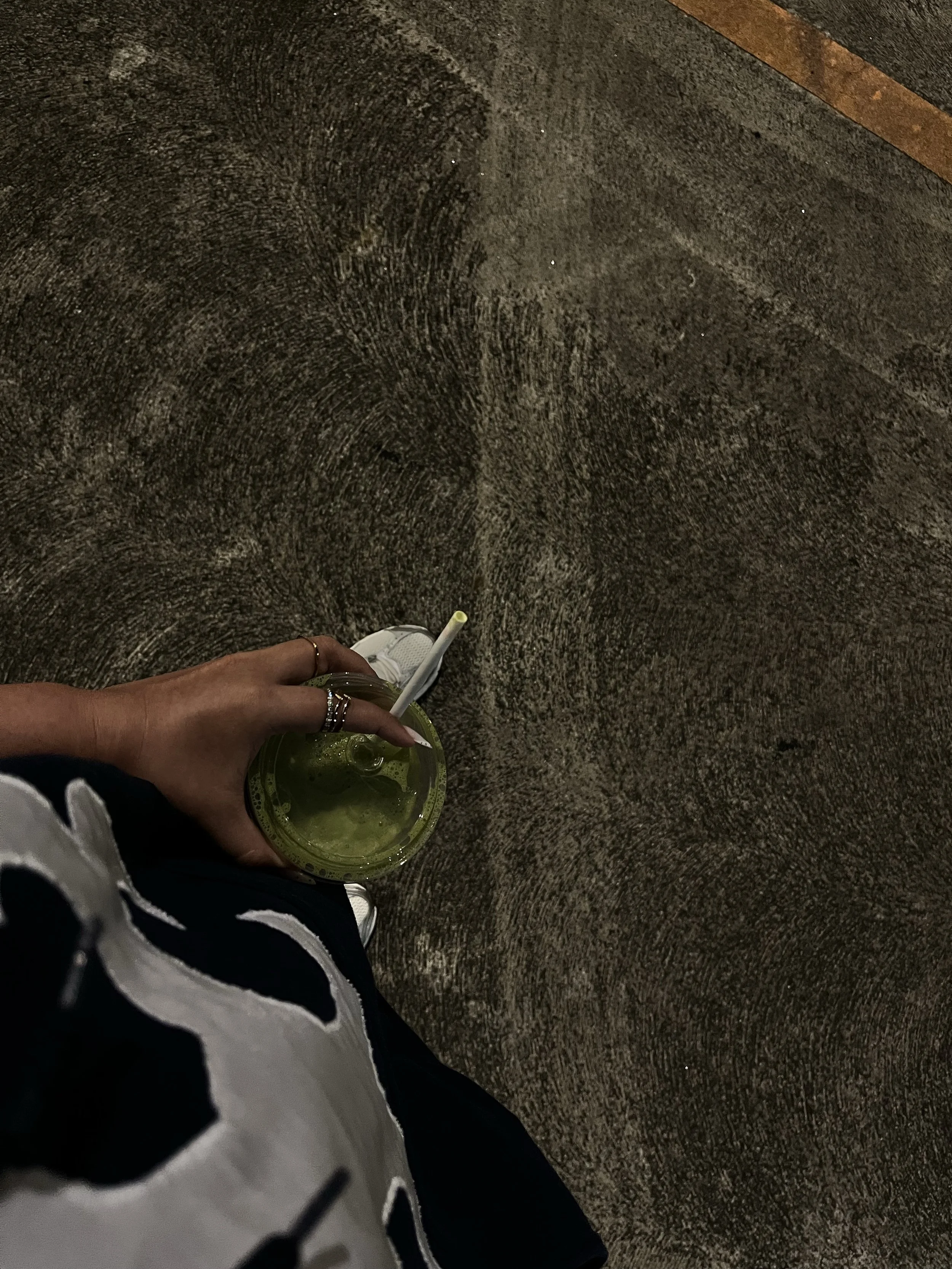
Skip the expensive studio lighting and polished editorial photoshoots. Today's biggest fashion trends are driven by raw, casual, under-a-minute clips recorded straight from a phone and shared on social media. You’ve probably been in this situation at some point, mindlessly scrolling TikTok at 1:00 AM, and suddenly you’re watching a person on your For You Page (FYP) style a basic outfit just to grab an overpriced drink in a plastic cup. You open the comments to see:
“Where is that vest from?”
“Name of white vest?”
“Link?”
“Where’s your skirt from?”
“Does anyone know where she got that top from?”
Then, the creator’s single pinned reply: “It’s on my LTK.”
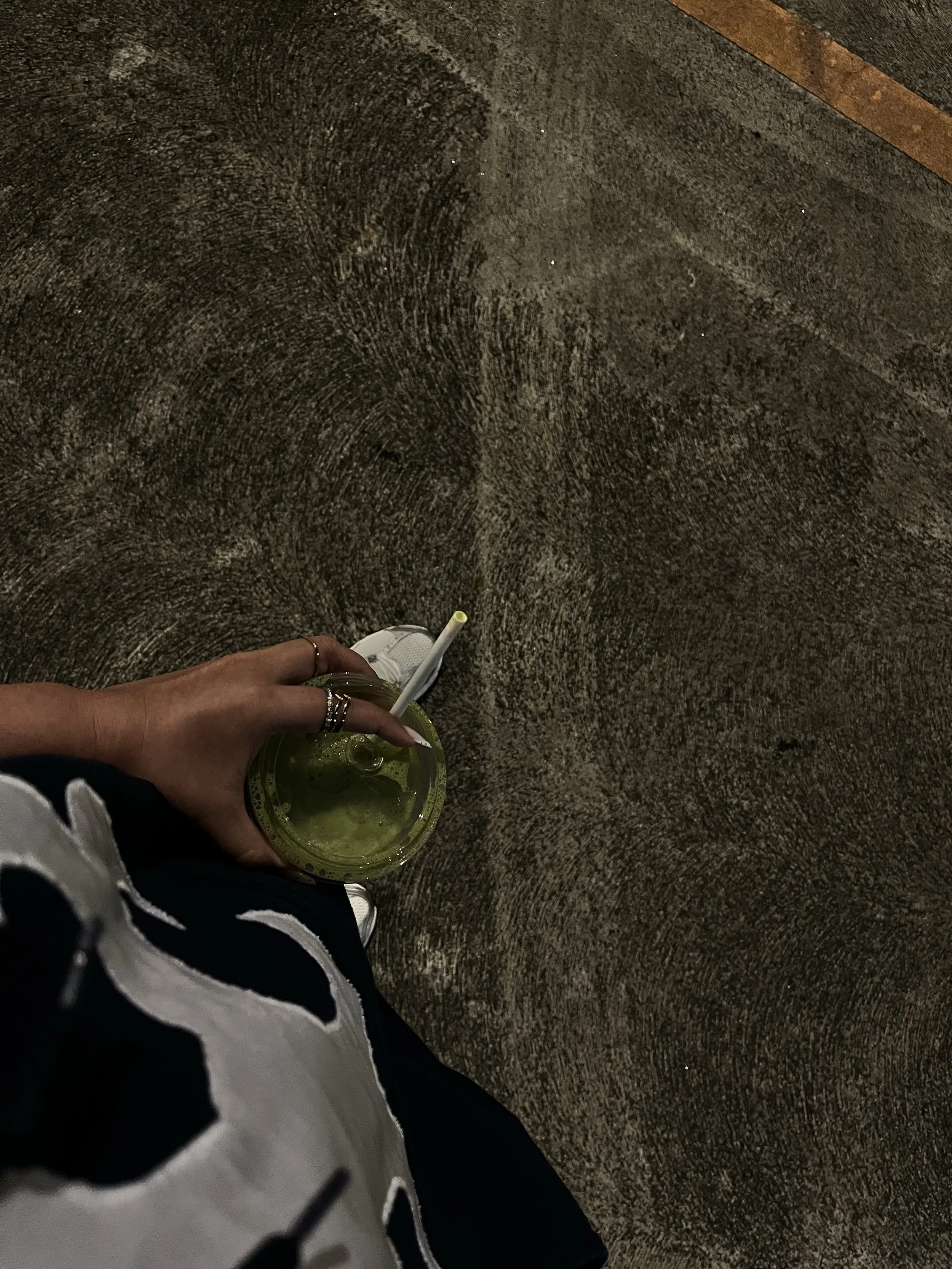
What do you wear to get a matcha?
‘What I Wear In A Day’ (WIWIAD), Get Ready With Me (GRWM), and quick ‘fit check’ videos have quietly taken over Gen Z’s fashion choices. But why are we ditching traditional fashion magazines to take style advice from random strangers on our TikTok and Instagram feeds? Turns out, there’s some psychological science working behind the scenes.
Rather than relying on traditional fashion magazines for styling inspiration, younger generations are steering towards repeated exposure to informal content. Peer-reviewed research highlights that the constant presence of modern fashion trends has been accelerated by digital media, with a link between younger generations choosing to utilise rapid fashion trends as a main tool for self-expression and social belonging.
According to research by Lawrence (2024), social media can significantly influence consumer preference and trend-setting style choices. Social media platforms like TikTok can facilitate a phenomenon known as ‘parasocial intimacy’. Seeing someone’s outfit choices within a familiar setting can create a feeling of closeness, and for Gen Z, this can feel particularly influential during times of isolation. For instance, during COVID-19, WIWIAD videos saw a sudden spike as a way of combating isolation through a casual way of interaction (Klug et al., 2023). Being stuck indoors left us craving genuine connection, and seeing someone get dressed in their own bedroom brought an instant sense of closeness.
Ever noticed how a micro-trend seems a bit strange at first, but after seeing it on your feed multiple times in as little as one week, you’re contemplating adding it to your cart? That’s driven by the ‘mere exposure effect’, a psychological phenomenon where repeated exposure to something can naturally increase our preference for it. On TikTok, algorithm-driven repetition means you don’t just see a trend once; you see 10+ different influencers wearing variations of it in a single afternoon.
Your brain transitions from:
“What is that?” → “Oh, I’ve seen that before.” → “Wait, that actually looks kinda cool.” → “I need it immediately.”
Repeated exposure to a trend on social media creates familiarity. For Gen Z, raw authenticity is often preferred, driven by the real connection felt behind the screens on social media, which signals trust and makes styles feel more relatable than heavily curated—not like an ad.
Videos often capture simple day-to-day outings like attending work, coffee shops, and carrying out simple errands. What stands out is how simple the format is, with comments asking questions specifically for outfit inspiration or general style-related inquiries. Fashion trends have circulated from these types of video alone with transition videos from loungewear to ‘clean, put together’ fits supporting the aesthetic of looking effortless whilst running errands.
Brands like ‘Bijoux De Mimi’ have showcased on TikTok what their Gen Z customers are wearing in casual street videos, using the familiar ‘fit check’ format to create a sense of authenticity around the brand.
Gen Z fashion also reflects on previous trends (e.g., the early 2000s) which can highlight the transition between what once was bright and patterned to the now ‘clean girl’ aesthetic clothing culture, bringing together on social media how we have watched Gen Z’s fashion style evolve over time.
Social media has a powerful impact on how we see fashion, through repeated exposure and creators that carry a sense of familiarity, WIWIAD videos illustrate how everyday outfits can simply influence wider trends with the possibility of what’s trending today becoming nostalgic for future generations to come.
About The Author
Francesca Francis is an ‘Integrative Mental Health Writer & Therapist’. With a BSc (Hons) in Counselling from the University of East London under her belt and a MSc in Child Development at University College London in progress, she blends real clinical experience with creative storytelling. Her main focus? Inner child healing, self-worth, and turning deep psychological insights into real-talk commentary that actually resonates. Check out her work on her website or connect with her on LinkedIn.
REFERENCES
Klug, D., Kaufman, G., & Evans, M. (2023). How TikTok served as a platform for young people to share and cope with lived COVID-19 experiences. MedieKultur: Journal of Media and Communication Research, 38(73), 152-170. https://doi.org/10.7146/mk.v38i73.128463
Lawrence, E. (2024). The Impact of Social Media on Fashion Trends: How Online Platforms Shape Consumer Preferences. [Unpublished manuscript]. https://www.researchgate.net/publication/386218074_The_Impact_of_Social_Media_on_Fashion_Trends_How_Online_Platforms_Shape_Consumer_Preferences